Here is the short version, before anything else. Walk into any convenience store at the airport or near your hotel, say “transport card,” pay in cash, then hand the clerk a 10,000 won note to load onto it. That card taps you onto every metro line, every city bus, and most taxis in Busan. You will use it forty or fifty times in three days.
The second thing: download Naver Map or Kakao Map before you land. Google Maps will show you where Haeundae is and then refuse to tell you how to get there, because Korean law keeps detailed map data inside the country. Every local uses Naver. Every visitor who ignores this spends the first day confused at a bus stop.
Busan is long. It runs about 40 km from the fish market in the west to the beach towns in the east, wrapped around mountains, so the city is a line rather than a circle. Getting the transport right is worth more here than in Seoul.
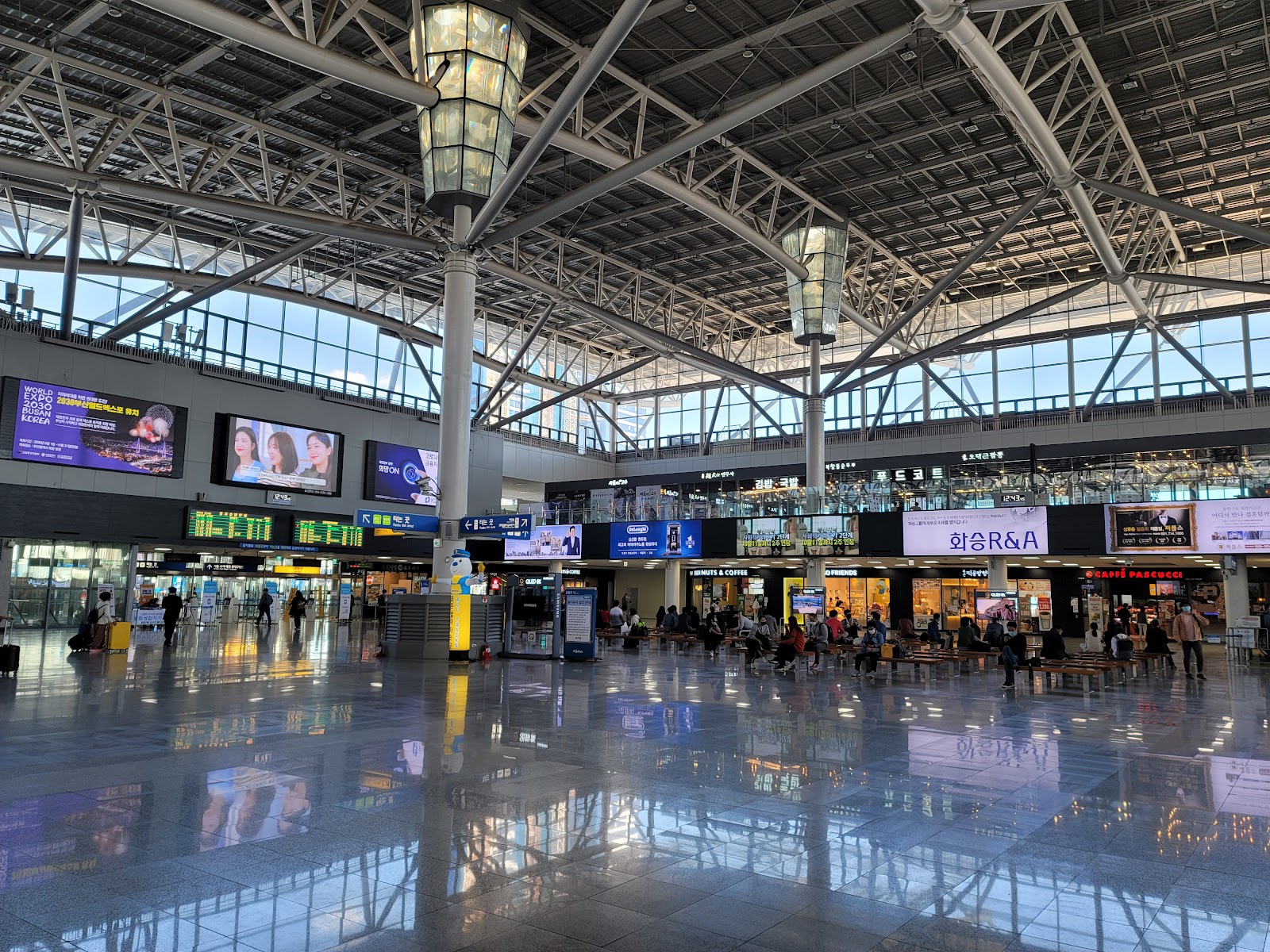
Photo: Cat Cat
🗺️ The Busan metro map and transport card, in plain terms
Four numbered lines, plus a commuter rail line that most visitor blogs forget. The map looks busy on the wall of the station. In practice you will ride two of these lines and ignore the rest.
| Line | Colour | What it takes you to |
|---|---|---|
| Line 1 | Orange | Busan Station, Nampo (Jagalchi, Gukje Market), Toseong (Gamcheon), Seomyeon, Dadaepo Beach at the far end |
| Line 2 | Green | Haeundae, Gwangan, Centum City, Seomyeon, Sasang |
| Line 3 | Brown | Connector line. Suyeong to Daejeo. Useful for crossing between Line 2 and Line 1 without going through Seomyeon |
| Line 4 | Blue | Minam to Anpyeong. Driverless, rubber tyres, almost nothing on it a visitor needs |
| Donghae Line | Navy | Above ground. Bujeon up the coast past Bexco, Sinhaeundae, Osiria (for Haedong Yonggungsa) and Ilgwang |
| BGL light rail | Purple | Sasang to Gimhae International Airport to Kaya University |
Line 1 and Line 2 cross at Seomyeon, and that single station explains most of Busan’s geography. West side sights hang off Line 1. East side beaches hang off Line 2. If you are planning the days themselves, Busan in 2 Days: West Side First, East Side Second is built around exactly that split.
The Donghae Line is the one people miss
It runs on the national rail network, so it feels like a train instead of a subway, with seats facing sideways and windows showing the sea. Your transport card works on it. Trains come less often than the metro, so check the next departure on Naver before you walk to the platform. Osiria station is the sane way to reach Haedong Yonggungsa.
Signs, exits, and the number that actually matters
Every station has numbered exits and they are far apart. Underground, Seomyeon and Busan Station sprawl for hundreds of metres. Naver will tell you “Exit 7” as part of the walking directions. Write that number down. Coming up the wrong staircase at Seomyeon can cost you ten minutes and a river of traffic to re-cross.
💳 The card: Cashbee, T-money, and why cash
Busan’s home-grown card is Cashbee. Seoul’s T-money also works on Busan metro and buses. Either one is fine. Buy whichever the shop in front of you has.
| Question | Answer |
|---|---|
| Where to buy | CU, GS25, 7-Eleven, or the machines inside metro stations |
| How to pay for it | Cash. Foreign credit cards usually fail on the top-up machines |
| How to top up | Hand the card and a banknote to the convenience store clerk, or use the recharge machine by the gates |
| Works on | Metro, city buses, village buses, Donghae Line, BGL light rail, most taxis |
| Refund of leftover balance | Possible at convenience stores, minus a fee. Small balances are easier to just spend on snacks |
| Sharing between two people | Yes on buses and taxis. No on the metro. One tap per person through the gate |
Keep the balance above 10,000 won if you are heading out east. Top-up machines exist at every station, and they exist in Korean and English, and they still only eat cash. A card with 900 won on it at a bus stop in Songjeong is a bad evening.
What about not buying a card at all
You can buy a single-journey paper ticket from the machine at each station. It costs more than the card fare, you queue for it every single time, and buses will not take it. Some newer gates accept contactless overseas Visa and Mastercard, and the coverage is patchy enough that I would not build a trip on it.
Two travellers, three days, one card each. That is the whole decision. Everything after this is detail.
🎫 The day pass: who it actually suits
Busan sells a one-day metro pass from the ticket machines. It covers unlimited metro rides for the calendar day. It does not cover city buses, and in Busan the buses are half the network, so read that line twice.
- Worth it: a day that goes Nampo, then Toseong, then back through Seomyeon, then out to Haeundae. Five or more metro rides, no buses.
- Not worth it: any day involving Gamcheon, Huinnyeoul, Yonggungsa or Igidae, because those all finish with a bus.
- Never worth it: a day where you are walking one neighbourhood, like Gwangalli evening plus dinner.
Current fares, zone boundaries and pass prices change, and I would rather you check than trust a blog. The operator publishes them at humetro.busan.kr. Do the arithmetic once on your first morning and then stop thinking about it.
Separately there is the Visit Busan Pass, which is an attraction pass. Different product, different purpose. It bundles entries to observatories and museums, and transport sits outside it.
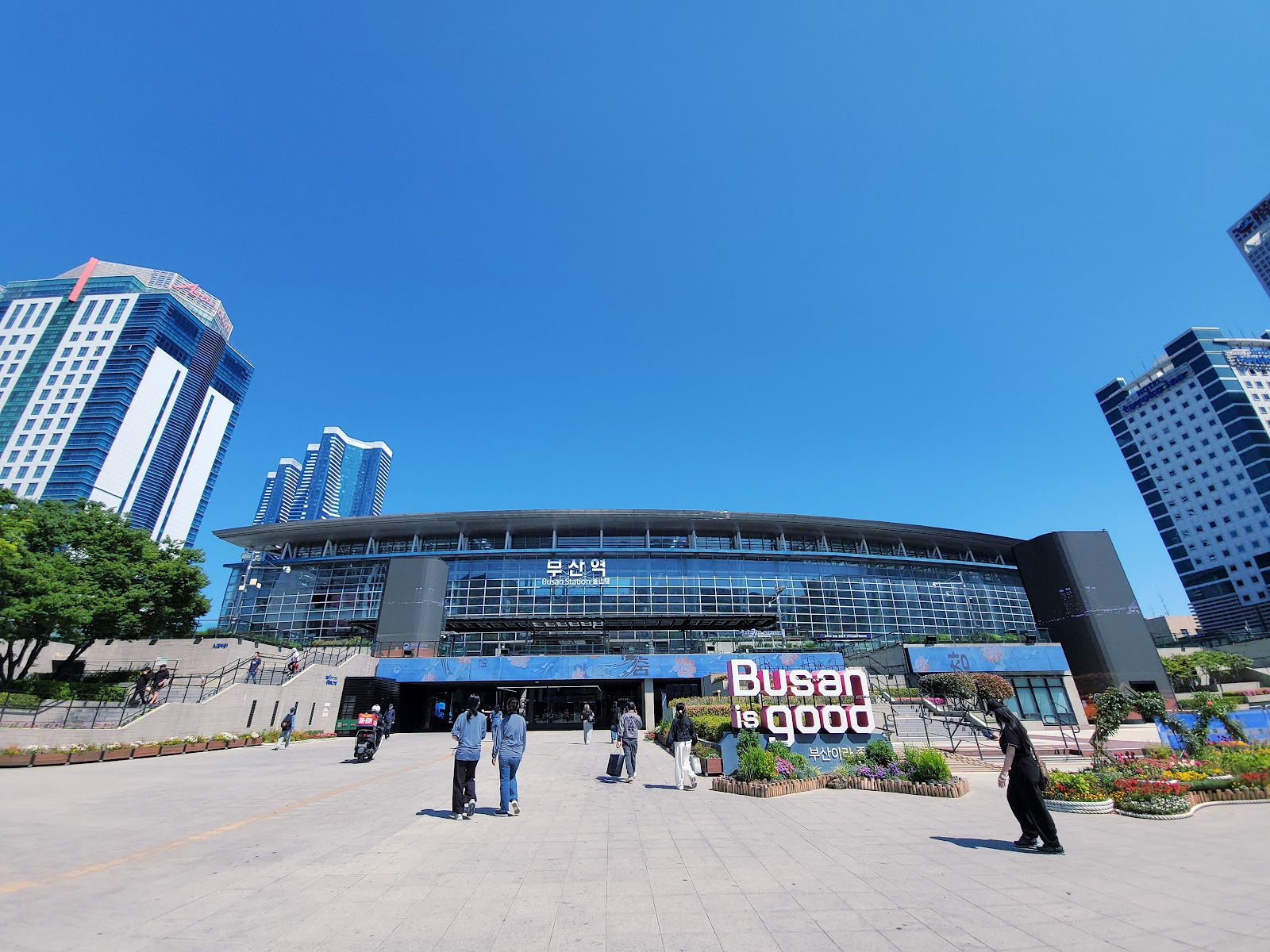
Photo: スタバカ(SUTABAKA)
🚌 Buses, and the one thing visitors get wrong
Tap when you board. Tap again on the reader by the back door when you get off. That second tap is the whole game. Skip it and you lose your transfer credit on the next ride, and on some routes you get charged the long-distance rate as well.
- Blue and white buses are the standard city routes. Most of what you need.
- Red buses are express. Fewer stops, higher fare, good for crossing the city.
- Green village buses (마을버스) are small, they climb hills, and they are how you reach places the metro cannot. Saha 1-1 from Toseong up to Gamcheon Culture Village is the famous one.
Announcements run in Korean, English, Japanese and Chinese, and they arrive fast when traffic is light. Watch the screen at the front instead of listening. Press the stop button early. Korean bus drivers brake with conviction, so hold the rail before you stand up.
Transfers
Metro to bus, bus to metro, bus to bus: your card applies a transfer discount if you tap within the allowed window, and the window is generous enough for a coffee stop but not a meal. It only works if you tapped off. Paper tickets and cash payments get nothing.
🔁 Seomyeon, where everyone loses fifteen minutes
Seomyeon station rates 4.2 from 314 reviews, and a good share of those reviews are people describing how lost they got. The complaint repeats: the underground signage and the app disagree, then the shopping arcade swallows you. It is a genuinely large station attached to a genuinely large mall.
- Follow the coloured line on the floor, orange for Line 1, green for Line 2. It beats the overhead signs.
- Do not cut through the underground shopping arcade to save weather. You will come out on the wrong side.
- If your route offers Line 3 through Yeonsan as an alternative, and the arrival times are close, take it. Fewer stairs, fewer people.
The transfer itself is a long walk between platforms. Budget five minutes for it, more with a suitcase. Doing this twice a day is the main argument for picking a base carefully, which is what Where to Stay in Busan is about.
🚕 Taxis and Kakao T
Busan taxis are cheap by European or American standards and they are everywhere. Two problems: many drivers speak no English, and street hailing after midnight near Seomyeon is competitive.
Kakao T solves the first problem. You set the destination in the app, so nothing has to be pronounced. Registering a foreign phone number can be fiddly, and it is worth doing at the hotel with wifi rather than on a rainy corner. Your transport card pays the fare in most taxis, and cash always works.
Where a taxi genuinely beats the metro: late at night, up a hill, or any trip between two east-side spots that would otherwise route you back through a transfer. Gwangalli to Haeundae is the classic example.
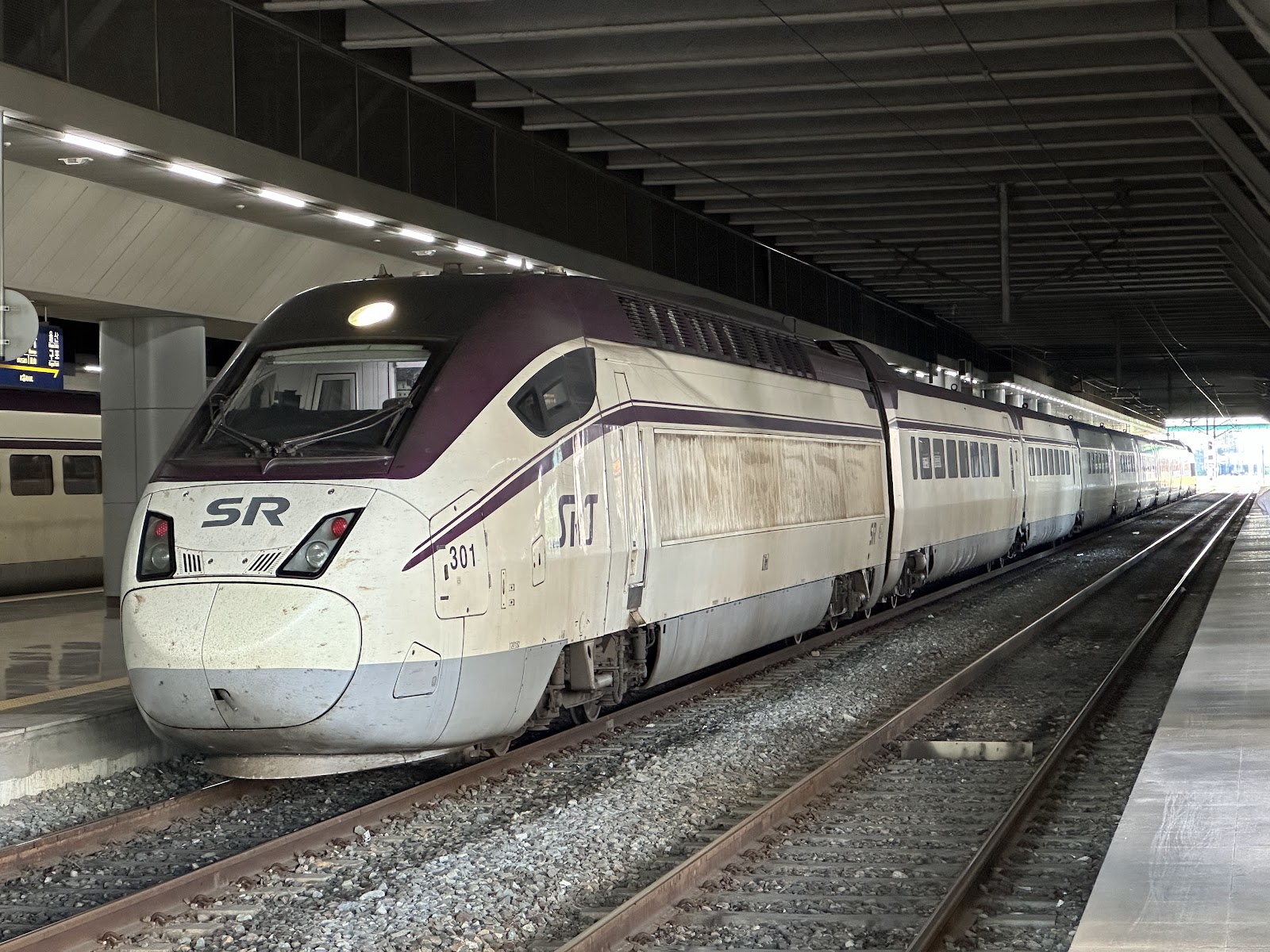
Photo: takashi 87
🛫 From Gimhae Airport into the city
Two sensible options. The BGL light rail runs from the airport to Sasang, where you change to Line 2. It is the cheapest route and it involves stairs, escalators and a change, so with two large suitcases it is a chore.
The airport limousine bus runs to Seomyeon and to Haeundae. Luggage goes underneath, you sit down, you stay seated. If your hotel is on the east side, this is the one. Buy the card at the airport convenience store first and tap on.
Arriving by KTX instead puts you at Busan Station, which sits directly on Line 1 with the metro entrance inside the station complex. Reviewers rate it 4.4 across 1,749 reviews and the recurring note is how little effort the train-to-metro change takes. Chinatown is straight out the front door if you have an hour to fill.
🧳 Luggage, lockers and the checkout gap
Coin lockers sit inside the bigger stations, including Haeundae and Busan Station. They take your transport card or coins, they come in two or three sizes, and on summer weekends the large ones fill by late morning.
The lockers use a touchscreen in Korean first. Station staff help. One traveller at Haeundae wrote about a staff member patiently working through a stuck locker with her, and that matches my experience of asking Busan station staff anything at all.
⏰ When to ride and when to avoid it
- Morning commute runs toward Seomyeon and Centum City. If you are heading out to the beaches at that hour you are going against the flow, which is pleasant.
- Late afternoon reverses it. Line 2 toward Haeundae on a summer Friday is standing room from Seomyeon onward.
- Metro service stops before the nightlife does. Check the last train for your specific station in Naver Map, or on humetro.busan.kr, before you commit to a second round in Seomyeon.
- Rain changes everything. Buses slow, taxis vanish, the metro keeps its schedule.
📱 The three apps to install
| App | Use it for |
|---|---|
| Naver Map | Transit directions, exit numbers, last train times. English interface available |
| Kakao Map | Same job, slightly better bus arrival tracking. Pick one, learn it |
| Kakao T | Taxis without speaking Korean |
One habit worth forming on day one: search your destination in Korean by copying the name from a map pin, rather than typing English. English search on Korean map apps is improving and still misses small places.
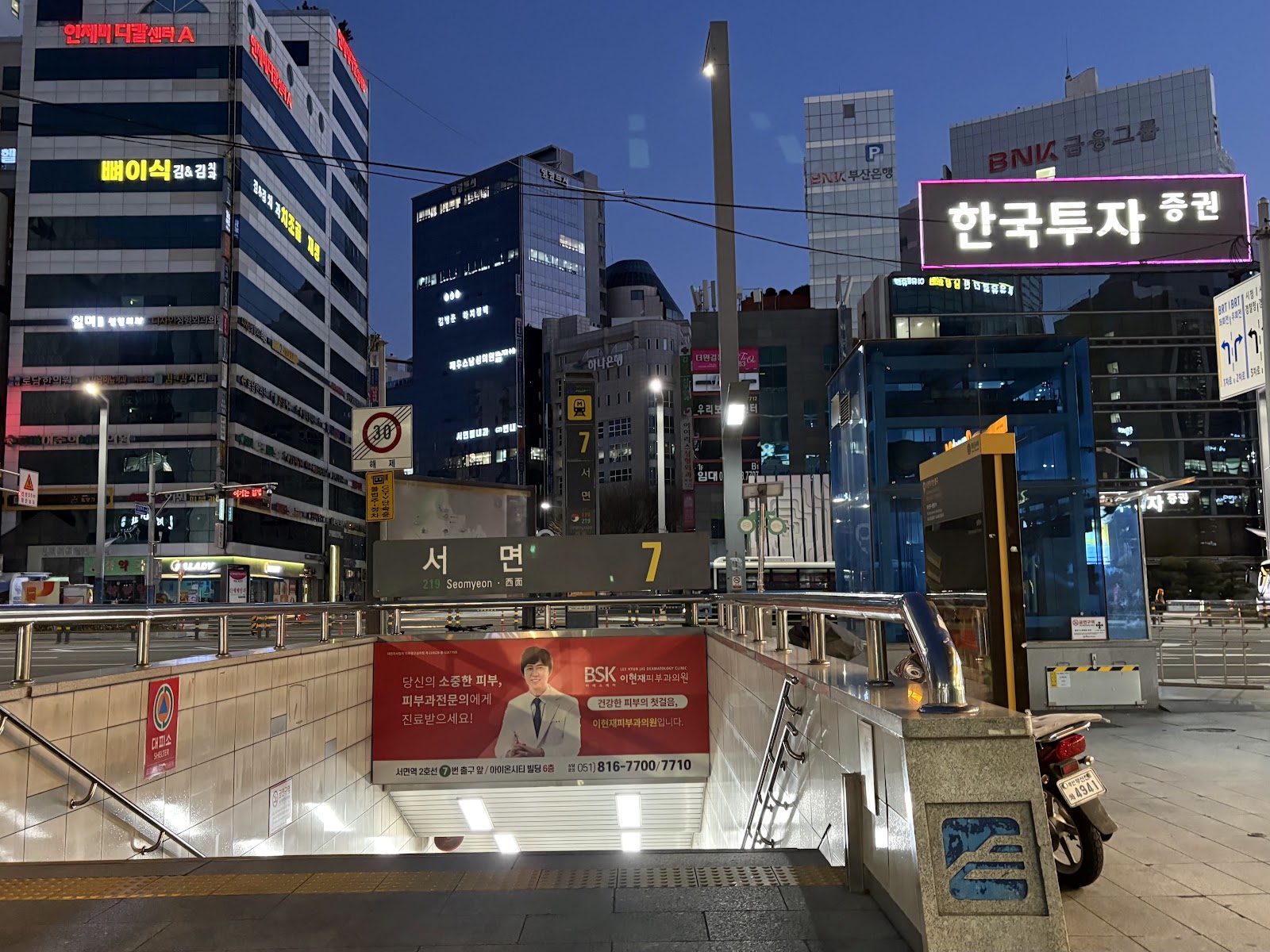
Photo: wenfu lin
🚫 Five mistakes that cost real time
- Trusting Google Maps for transit. It will offer a walking route across a mountain.
- Forgetting to tap off the bus, then paying full fare on the next ride all week.
- Buying a day pass on a day that ends with a village bus up a hill.
- Assuming the Sky Capsule and Beach Train at Mipo are part of the metro. They are a separate ticketed ride, and getting a seat takes planning.
- Letting the card balance run low on the east side, where top-up machines are further apart than you expect.
🙋 Short answers
Do I need a transport card for three days in Busan?
Yes. It is cheaper per ride than paper tickets, it is the only way to get transfer discounts, and buses take nothing else.
Does my Seoul T-money work in Busan?
Yes, on metro and buses. Bring it and just top it up.
Can I use a credit card to top up?
Assume no. Foreign cards fail on most machines. Carry cash for this one purpose.
Is the Busan metro map in English?
Yes. Station names, exit signs, platform boards and announcements all run in English, and Japanese and Chinese appear on most of them too.
Can two people share one card on the metro?
No. The gate charges per tap and will not let the same card through twice. On buses and taxis, sharing is fine.
How long from Busan Station to Haeundae?
Line 1 to Seomyeon, change to Line 2, ride east. It is the longest routine trip most visitors make, and it is the reason people split their stay between two neighbourhoods. Naver will give you the live number.
Are taxis safe at night?
Yes, and Kakao T logs the trip, which is reassuring if you are alone.
📌 The whole thing in seven lines
- Buy a Cashbee or T-money card at any convenience store, in cash, on arrival.
- Install Naver Map or Kakao Map. Google Maps does not do Korean transit.
- Line 1 covers the west side, Line 2 covers the east, and they meet at Seomyeon.
- The Donghae Line handles the coast north of Haeundae, including Osiria for the temple.
- Tap off the bus. Every time.
- The day pass covers metro only, so skip it on any day with a village bus in it.
- Keep 10,000 won on the card and take a taxi when it is late, raining, or uphill.
Get this sorted in the first hour and Busan stops feeling spread out. Then you can spend the trip deciding between pork soup and cold noodles instead of standing at a ticket machine.