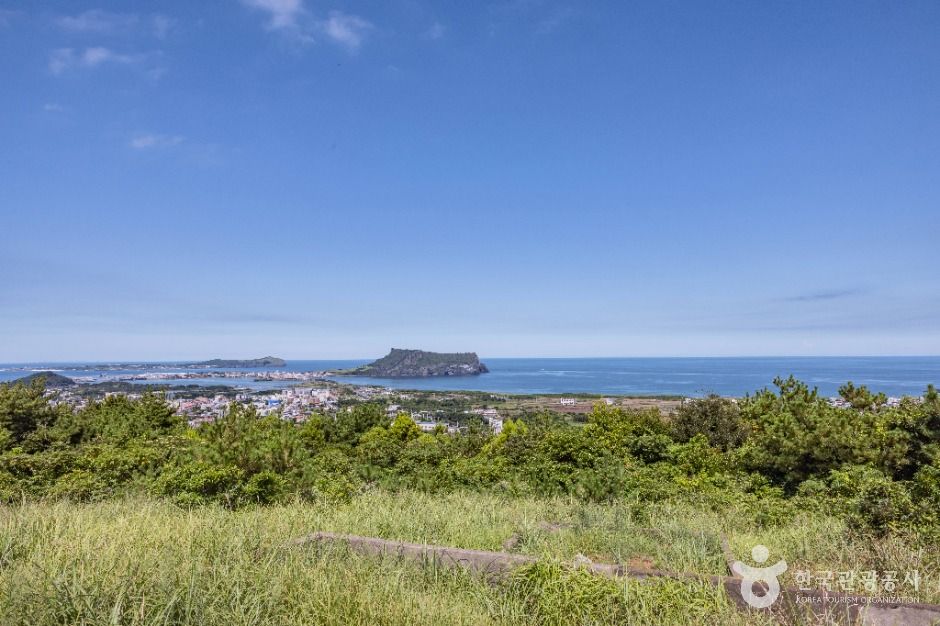
Olle Course 2: One Real Climb, Then the Sea to Onpyeong
Jeju Olle Trail Course 2 runs from Gwangchigi Beach over Daesusan-bong to Onpyeong port in Seongsan. Route, markers, what to pack and how to get back.
Jeju Olle Trail Course 2 runs from Gwangchigi Beach over Daesusan-bong to Onpyeong port in Seongsan. Route, markers, what to pack and how to get back.
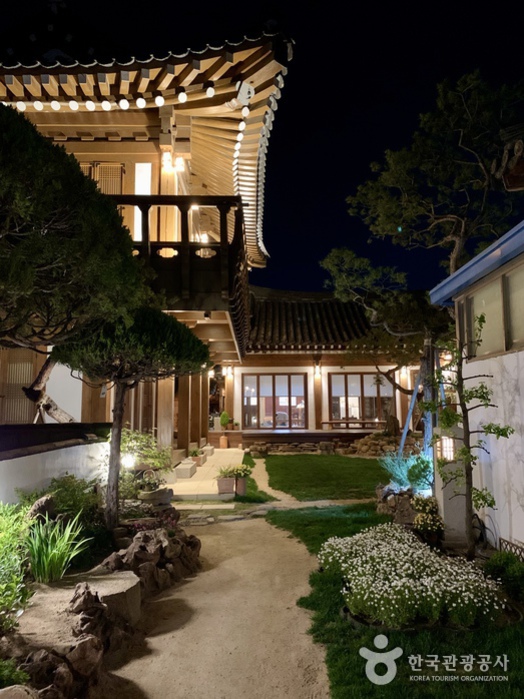
Hanokin hanok stay in Gyeongju: a 4.7-rated guesthouse with English-speaking hosts, a homemade breakfast and quiet rooms close to the main historic sites.
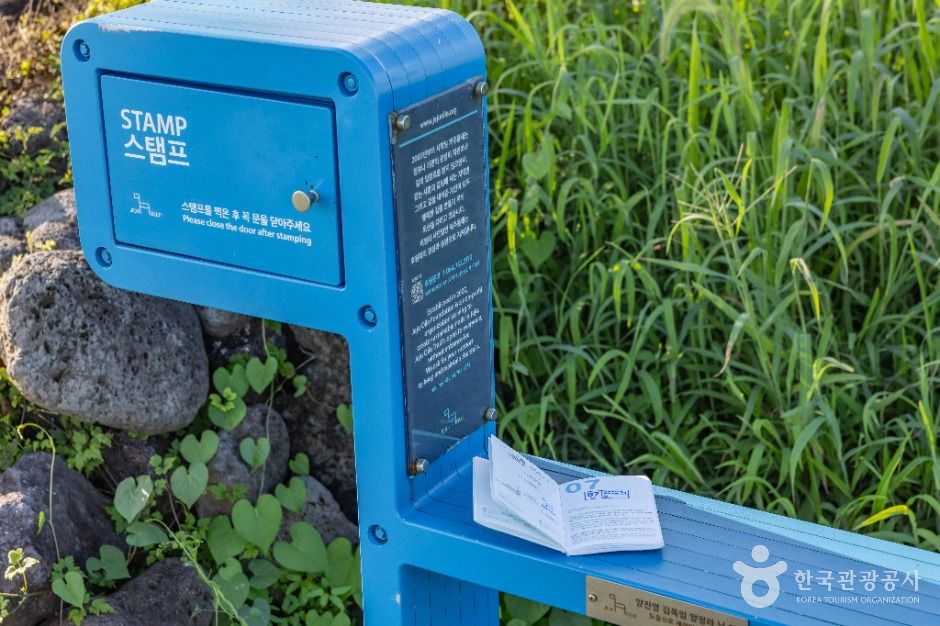
Jeju Olle Trail Course 7 runs along Seogwipo’s south coast to Wolpyeong. Where it gets rocky, where the stairs are, cafe stops, and how to split the day.
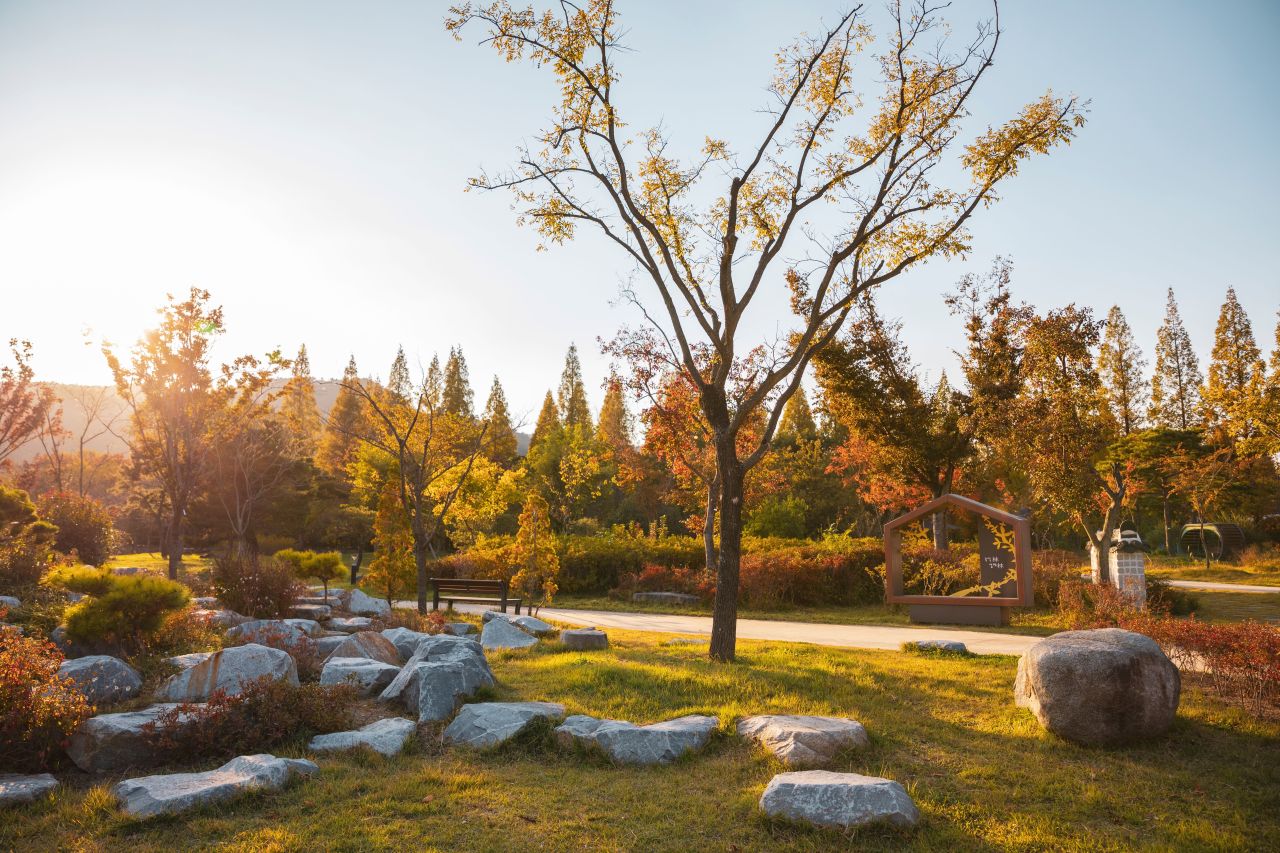
Quiet forest paths and a small pond between Bulguksa and downtown Gyeongju, open 9 to 5 daily. Getting there, the best light, and the bike back to town.
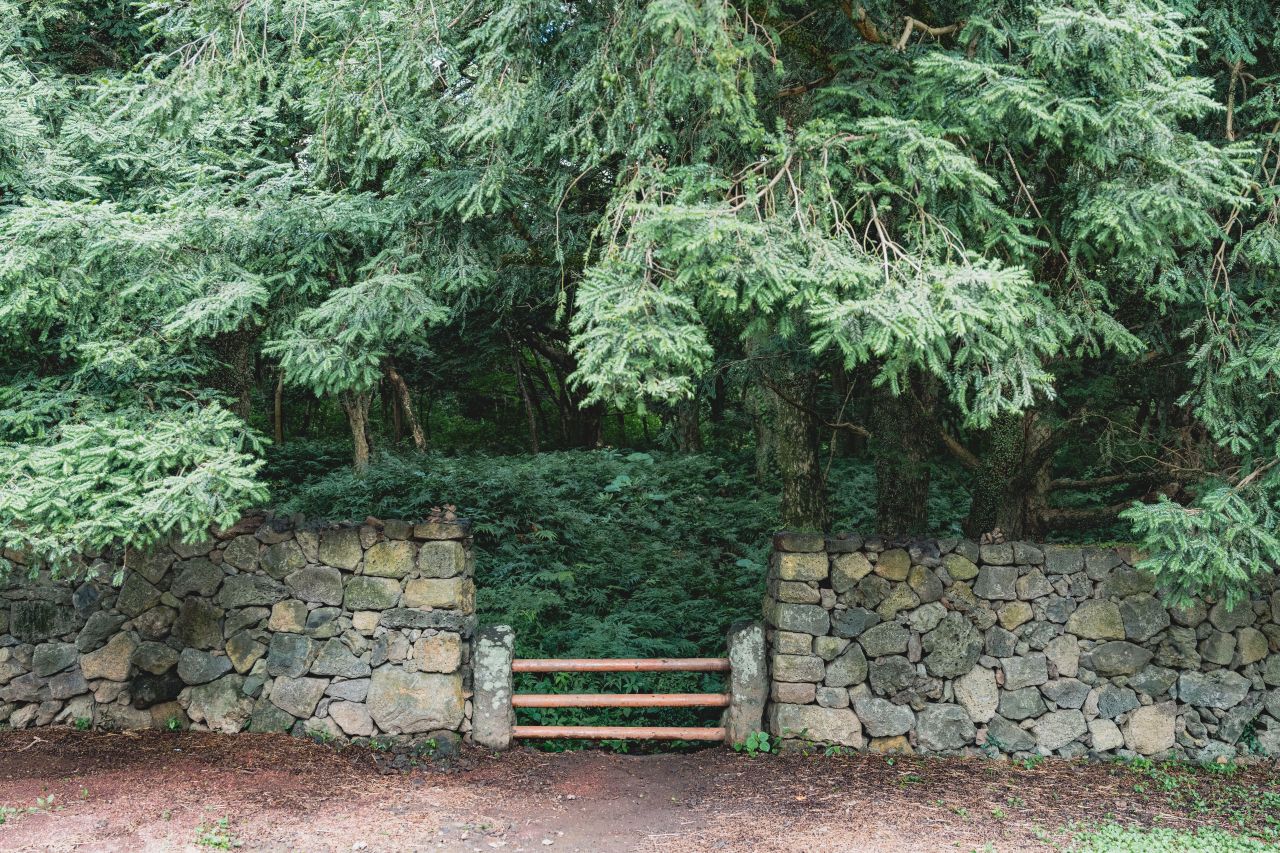
Bijarim Forest in Jeju: thousands of nutmeg trees aged 500 to 800 years on a flat 2-3 km trail. 3,000 won, open 9 to 6 daily. Plus the two trees to find.
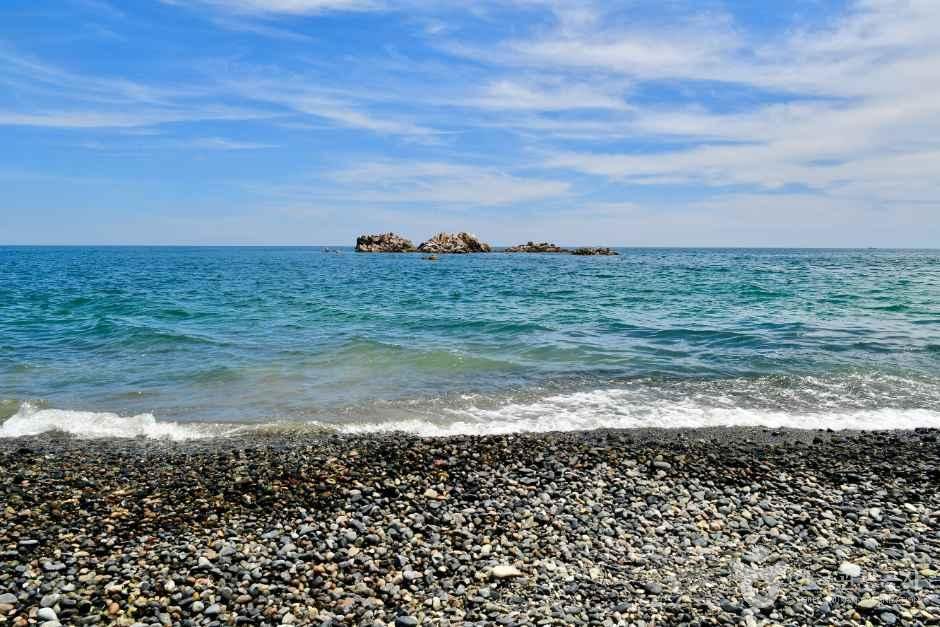
King Munmu’s underwater tomb is a rock 200 m off Bonggil Beach, Gyeongju. Free, open all year, parking and toilets. What you’ll see, and how to plan it.
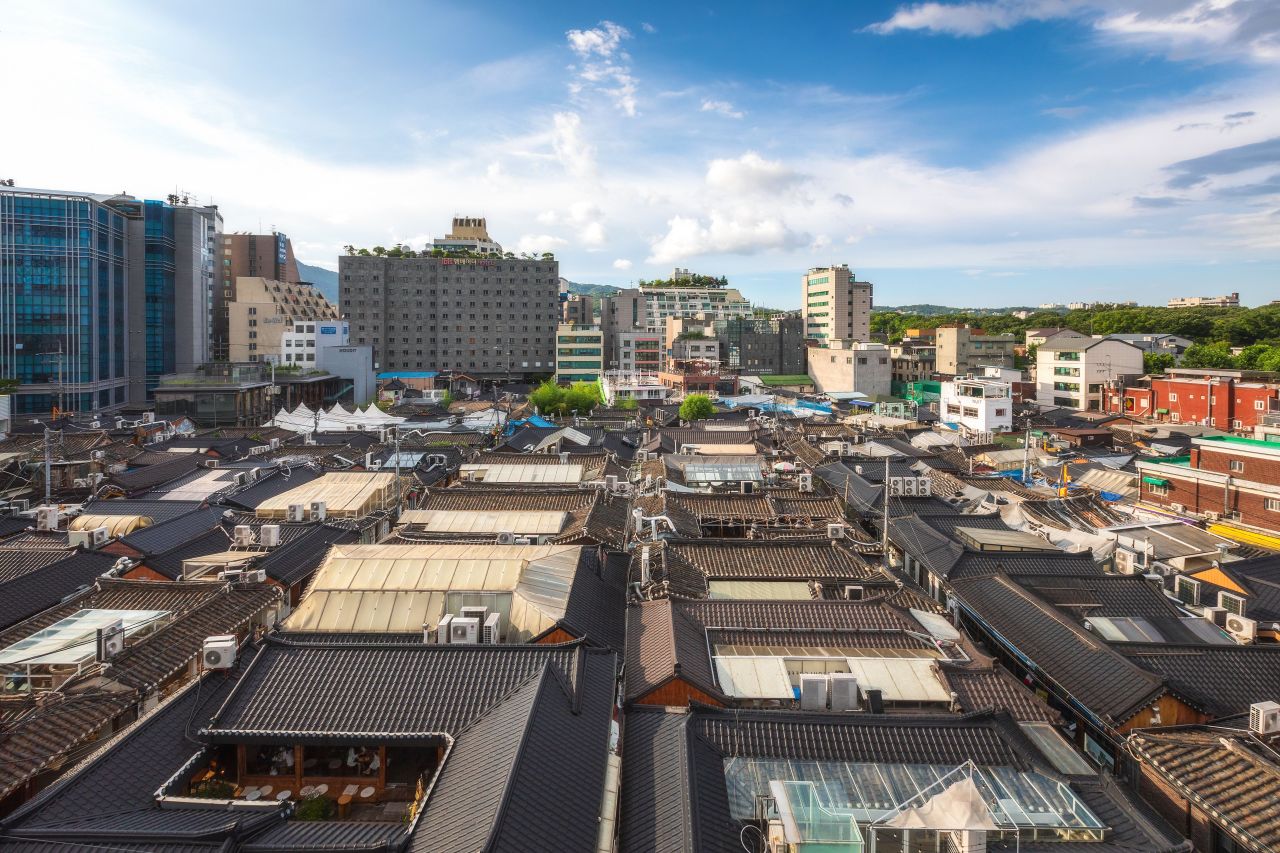
Ikseondong Hanok Village in Seoul: 1920s hanok turned into cafes, dessert shops and bars. Getting there, why to go early, and how to pick a cafe.
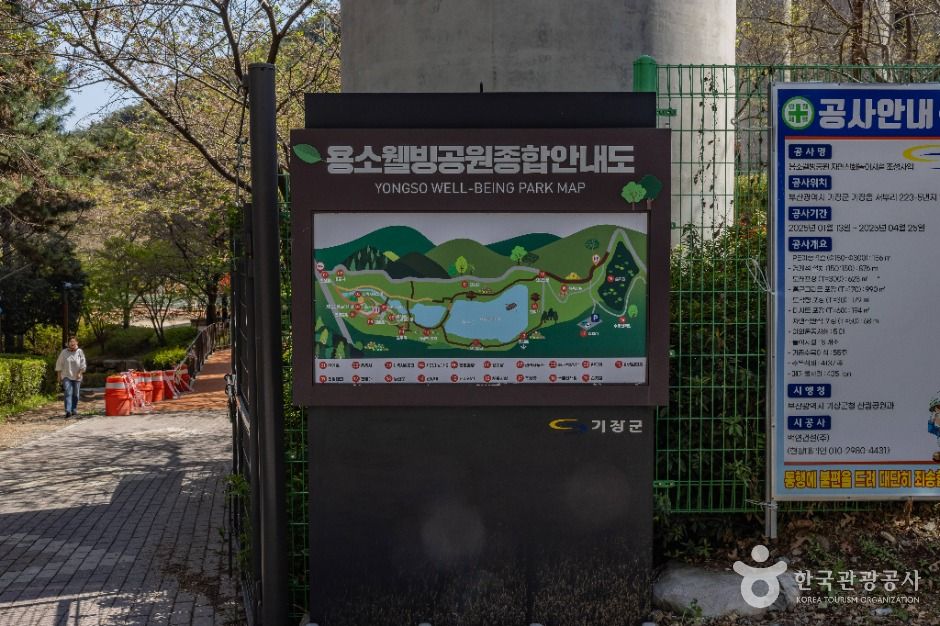
Yongso Wellbeing Park in Gijang, Busan: a 30-minute loop around the reservoir, open 24 hours, 4.4 from 505 reviews. Getting there, and why parking hurts.
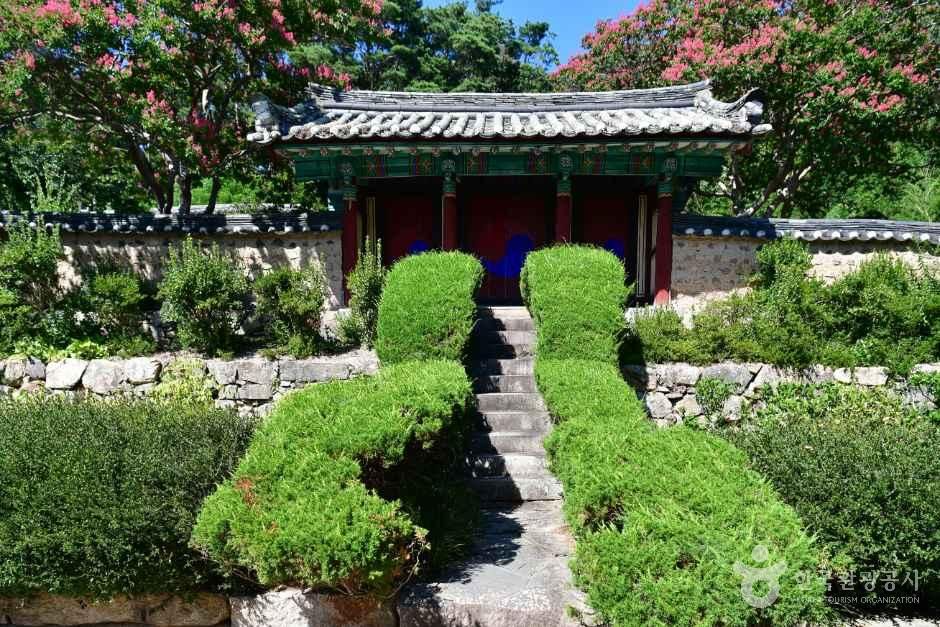
Yangdong Folk Village in Gyeongju: 4,000 won entry, 09:00-19:00 in summer, free parking, free at 65+, six marked routes and why you should arrive at nine.
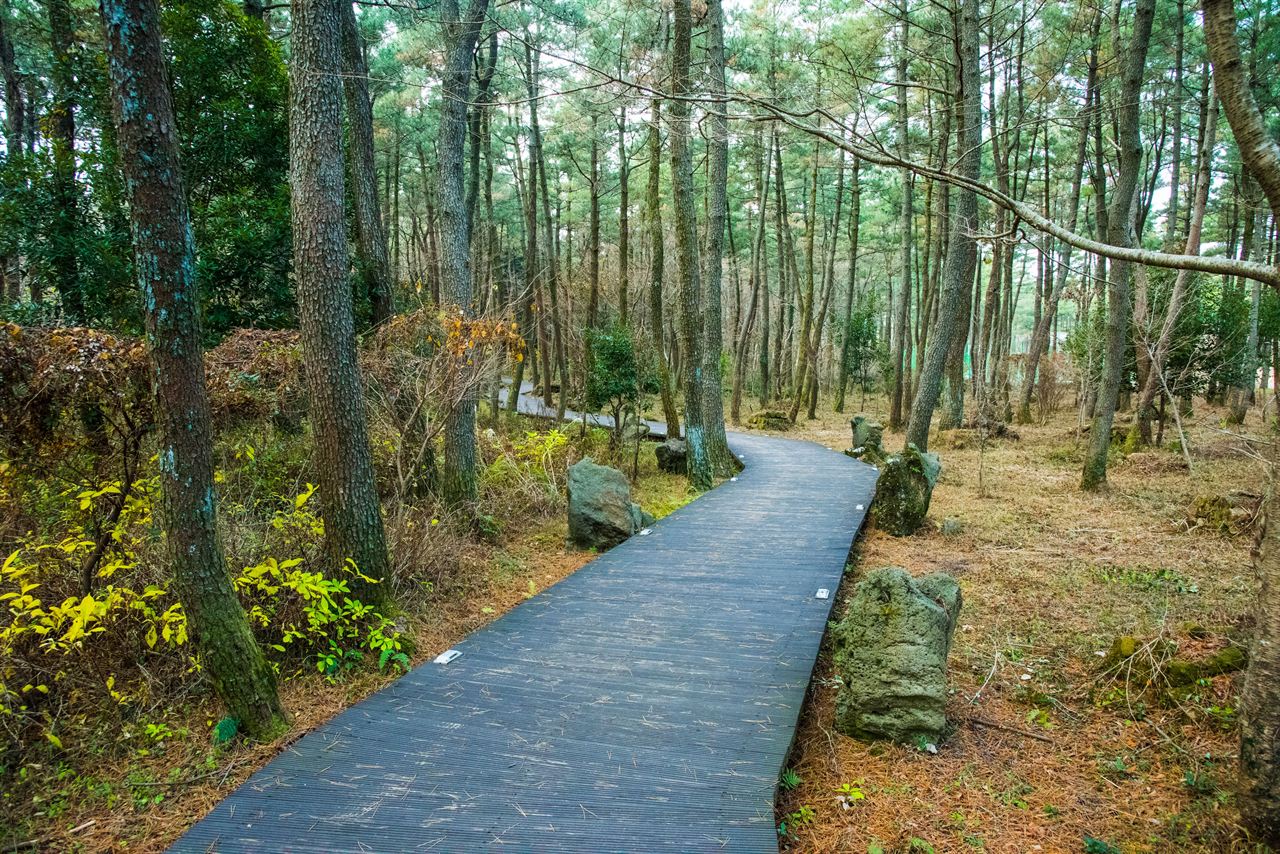
Saryeoni Forest Trail in Jeju opens 9am to 5pm daily. Which entrance to use, why the parking fills early, and how long the cedar path really takes on foot.