Three days in Busan works if you stop treating the city as one place. It is a long coastline with the old port at one end and the beaches at the other, and the ride between them eats an hour every time you get it wrong. So the plan below groups by geography: day one is the old downtown around Nampo, day two is Yeongdo island and the bridge lit up at night, day three is the east coast beaches. One area per day, no backtracking.
That is the whole answer. Day 1: Jagalchi, Gukje Market, Gamcheon, dinner in Nampo. Day 2: Taejongdae cliffs, Huinnyeoul, then Gwangalli after dark for Gwangan Bridge. Day 3: Songjeong Beach, the coastal rail path, Haeundae. If you only read this far, you already have a workable trip.
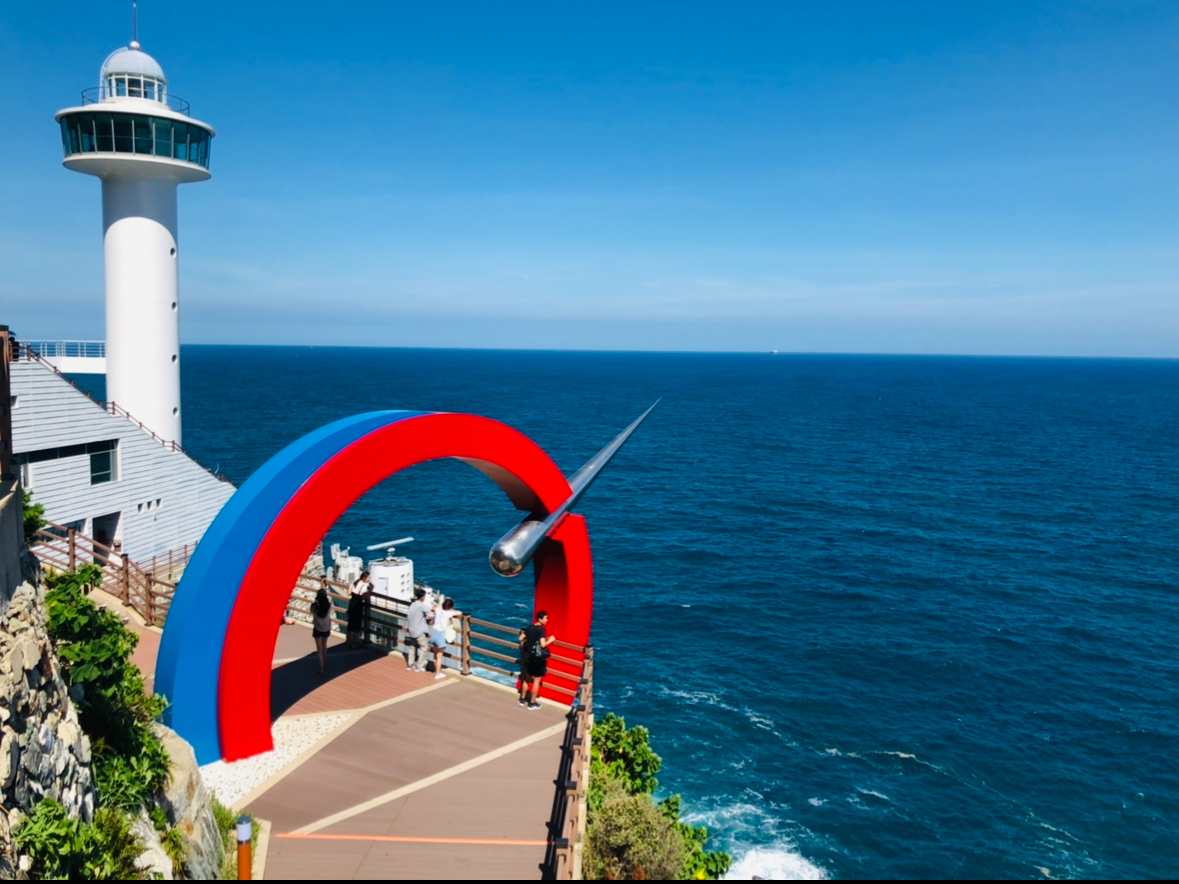
🗺️ The busan 3 days itinerary at a glance
| Day | Morning | Afternoon | Evening |
|---|---|---|---|
| 1 | Jagalchi Market | Gukje Market, then Gamcheon | Nampo streets, pork soup |
| 2 | Taejongdae | Huinnyeoul cliff path | Gwangalli, Gwangan Bridge lit |
| 3 | Songjeong Beach | Coastal rail path to Haeundae | Haeundae dinner, late train out |
Two of these days end near water at night, which is deliberate. Busan looks ordinary at 2pm and good at 8pm.
🚇 Three things to sort before day one
- A transit card. Buy one at any subway station convenience counter and load cash. You will use buses more than you expect in Busan, and buses are where the card matters.
- Naver Map or Kakao Map. Google Maps will show you where things are and then refuse to give you a walking route. Download one of the Korean apps the night before, not on the platform at 9am.
- Cash in small notes. Market stalls and older shops take cards less consistently than the cafes do. A few 10,000 won notes covers a day of eating.
📍 Day 1: old Busan, on foot
Everything on day one sits inside a twenty-minute walking radius around Jagalchi and Nampo stations. You will not need a bus until the afternoon.
Start at the fish market, early
Jagalchi is a working market before it is a tourist one, and the difference is visible before 10am. Buy downstairs, eat upstairs is the system, and it is worth understanding before you walk in so you do not end up paying twice.
The full breakdown of how the two floors work is here: Jagalchi Market, Busan: Buy Downstairs, Eat Upstairs.
Then Gukje Market, which is bigger than it looks
Gukje Market is at 55 Gukjesijang 2-gil, Jung-gu, and it holds a 4.1 rating across more than 13,000 reviews. That review count tells you something: this is one of the most-visited places in the city, and it still reads as a real market rather than a souvenir arcade.
It spreads across several blocks and continues inside multi-floor buildings, so people who plan thirty minutes here usually stay ninety. Produce, hardware, clothing, kitchen goods, and a large prepared-food section all sit in different sections. Go with a loose loop in mind and accept that you will lose your bearings once.
Timing note: if you arrive in the evening, a lot of the goods stalls have already closed and what is still lit up is food. Which is fine if food was the plan, and disappointing if you came to shop.
Eat here before you shop, because the queues for the famous snacks build through the afternoon. The seed-filled hotteok is the one everybody photographs: Gukje Market and Ssiat Hotteok: Eat First, Shop Later.
Lunch: the noodles Busan invented
Milmyeon is the dish to order in this neighbourhood. It came out of wartime rationing, when wheat flour was what arrived and buckwheat was what had run out, so the city took a northern cold-noodle recipe and rebuilt it with what was on the dock. Cold broth, chewy wheat noodles, mustard and vinegar on the table.
The nearby provisional capital building explains why so many refugee-era foods anchor here. It is a short walk and a small museum, and it makes the market read differently on the way back through.
Afternoon: Gamcheon
Gamcheon Culture Village is uphill, and the village bus from Toseong Station is the part most first-timers miss. Go in the afternoon so the light is behind you on the main viewpoint, and wear shoes with grip. Sandals here are a mistake people make exactly once.
Full route, bus number and shoe advice: Gamcheon Culture Village, Busan: Go Early and Wear Better Shoes.
Dinner: pork soup
Dwaeji gukbap is the Busan dinner after a walking day. The bowl arrives looking plain because it is supposed to. You season it yourself at the table with the shrimp paste and chive salad sitting in front of you, and a first-timer who skips that step will decide Busan’s signature dish is bland.
🌊 Day 2: Yeongdo island and the bridge at night
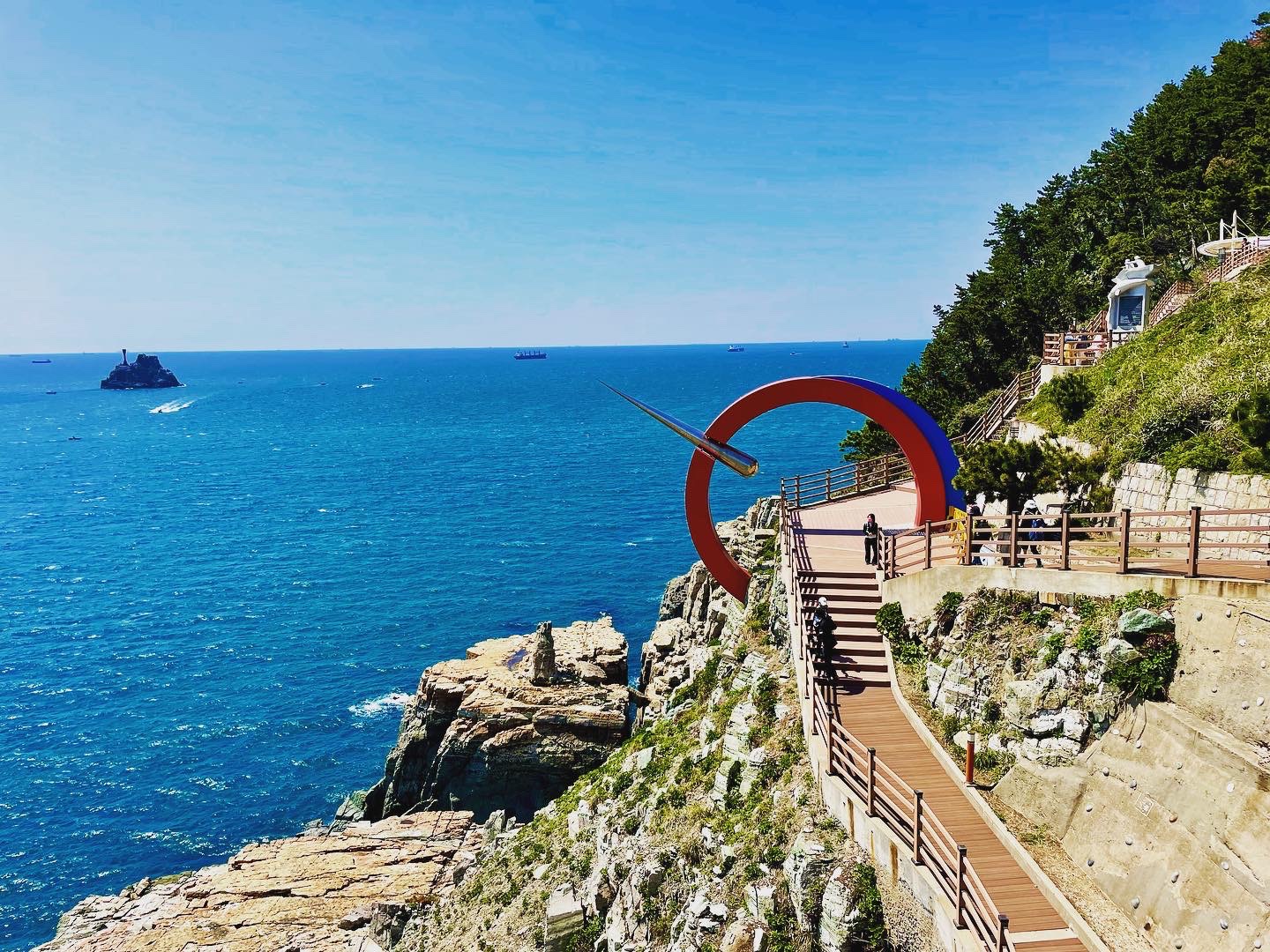
Yeongdo is the island just across the bridge from the old downtown, and it holds the two best cliff walks in the city. Do them in one morning-to-afternoon block, then cross town for the evening.
Taejongdae: how to get there and what it costs
Taejongdae sits at 24 Jeonmang-ro, Yeongdo-gu, rated 4.4 across roughly 4,770 reviews. The park gate opens at 5:00 AM and stays open until midnight, every day of the week, which makes it the most forgiving stop on this itinerary. Phone: 051-405-2004.
From Busan Station, bus 101 is the most direct approach and drops you at the entrance. Once inside, private cars cannot continue up to the observatory. Everyone walks or rides.
The Danubi train, and whether you need it
The Danubi is the train-shaped shuttle that loops the park at 2,000 won per trip. You can buy a single leg or a round trip. The full loop is roughly 4km with real uphill in it, so the honest split is this.
- Ride up, walk down. Best value. You skip the climb and keep the sea views on the descent.
- Ride both ways. Sensible in heat, rain, or with small children. You still walk plenty between stops.
- Walk the whole loop. Fine if you like hiking. Budget well over an hour and carry water.
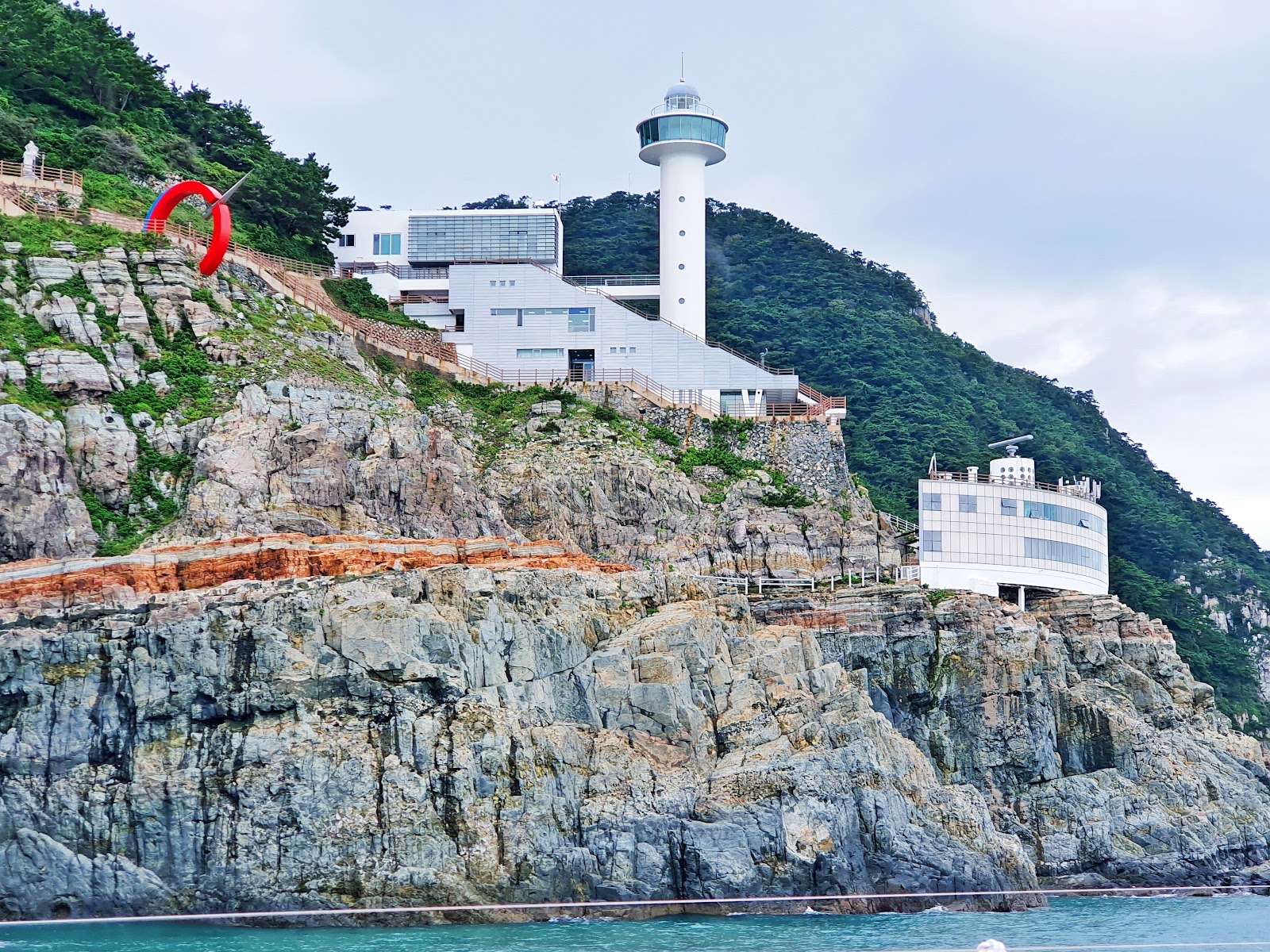
Even people who ride the shuttle describe the day as a lot of walking, because the shuttle stops sit above the viewpoints and the lighthouse path drops down from the road. That descent to the lighthouse is the best part of the park and it is stairs both ways.
Eat before you arrive. The food court inside has closed. What remains is a cafe on the second floor of the observatory doing drinks and pastries, plus fish cakes and similar snacks at ground level. Enough for a break, not enough for lunch.
Huinnyeoul in the afternoon
Back toward the bridge side of the island, Huinnyeoul is a single-file path along a cliff with houses stacked above it and open sea below. It photographs best in the late afternoon and it is small, so an hour and a half covers it comfortably.
Where the path starts and where to come out: Huinnyeoul Culture Village: Busan on a Cliff Edge.
Evening: Gwangan Bridge
Cross town to Gwangalli for dinner and stay for the bridge. Gwangan Bridge holds a 4.6 rating, the highest of anything on this three-day route, and the reason is what it does after dark. The two-level suspension span runs LED lighting along its length, and the whole beach curve is angled to look at it.
Three ways to see it, in rising order of effort. Walk the beach promenade and sit down. Take a boat tour and look back at the bridge from the water, which flattens the city into a low band of lights. Or book ahead for a yacht ride, which some visitors cover using the Visit Busan Pass with an advance reservation. Bridge information line: 051-780-0077.
On drone show nights the beach fills early and the good sightlines go first. Check the schedule before you commit your evening: Gwangalli Drone Show, Busan: Free, 12 Minutes, and Worth Planning Around.
🏄 Day 3: the east coast, Songjeong to Haeundae
Day three runs the coastline in the easy direction. Start at the far end and work back toward Haeundae, so you finish near the transport links and the restaurants instead of stranding yourself at a quiet beach at 9pm.
Songjeong Beach first
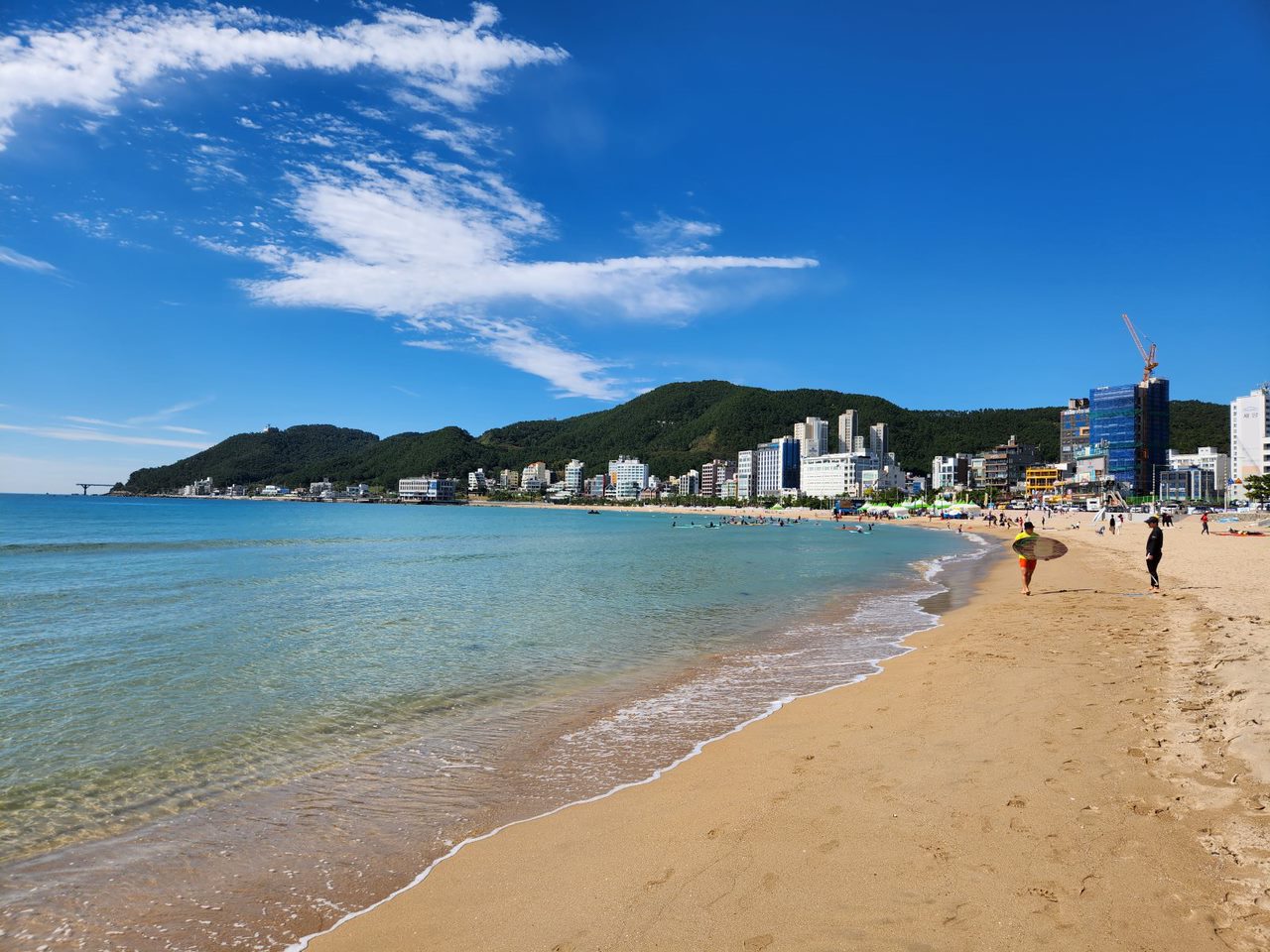
Songjeong rates 4.4 and it is the surf beach. Board rentals and lesson shops cluster around it, the sand is fine and clean, and the water stays gentler than Haeundae’s, which is why families with small kids end up preferring it. Rock pools at the edges keep children busy for an hour.
It is about a 15-minute walk from Songjeong Station. Arrive around 10am outside peak summer and the beach can be close to empty. On September weekdays the water is still warm enough to swim.
- Cafes and restaurants sit across the road rather than on the sand, which keeps the beach itself clear.
- There is a small pavilion on the cliffs at one end. Short walk, good view back along the bay.
- Parking is close to the sand, useful if you rented a car for the day.
- No shower facilities in the beach toilets. Plan your swim around that, or rent from a surf shop that has them.
- A tourist information office sits near the beach, and buses from there run to Haedong Yonggungsa temple if you want to add it.
The coastal path back
The old railway line between Mipo, at the Haeundae end, and Songjeong has been turned into a walking route along the water. Walking it in the Songjeong to Mipo direction puts the sea on your right and ends you at Haeundae, which is where you want to be for dinner anyway.
If you would rather ride than walk, the two-person capsule car runs the same stretch on the elevated track. Seats sell out, and the workaround is worth reading before you show up: Sky Capsule at Cheongsapo: How to Actually Get a Seat.
Finish at Haeundae
Haeundae is the busiest sand in the country in August and pleasant in every other month. Walk the beach, eat, and go home. It is a soft landing for a last night because everything is open late and the subway runs from underneath it.
🔄 Swaps for weather and weekends
- Rain on day two. Taejongdae in fog gives you nothing. Move day one indoors-ish work forward and save the cliffs for the clear day.
- Weekend crowds. Do Gamcheon and Gwangalli on the weekday half of your trip if you can choose. Markets handle crowds better than hillside alleys do.
- Arriving late on day one. Gukje Market still works after dark for food, and Taejongdae’s midnight closing means an evening walk there is possible too.
- Only two days. Cut day three, and add Songjeong as a morning before your train.
💬 Short answers
Is 3 days enough for Busan?
Yes, for the old downtown, one island and the east coast beaches. You will not also fit the western beaches or a day trip to Gyeongju.
Where should I stay for this itinerary?
Nampo suits days one and two. Haeundae or Gwangalli suits days two and three. Either works; splitting hotels mid-trip usually costs more time than it saves.
Do I need to book anything in advance?
The Danubi shuttle at Taejongdae is bought on the spot at 2,000 won per trip. Yacht rides at Gwangan Bridge need a reservation ahead of time. Markets and beaches need nothing.
How much walking is this?
A lot. Taejongdae alone is a roughly 4km loop with hills even if you take the shuttle part way, and Gamcheon is stairs. Bring the shoes you would hike in.
Which beach, Songjeong or Haeundae?
Songjeong for calm water, surfing and space. Haeundae for restaurants, nightlife and convenience. This itinerary uses both, in that order.
📌 The short version
- Group by geography: Nampo, Yeongdo, east coast. One area per day.
- Gukje Market, 4.1 from 13,000+ reviews, spreads over several blocks and multiple floors. Allow more time than you think, and eat before you shop.
- Taejongdae opens 5:00 AM to midnight daily. Bus 101 from Busan Station. Danubi shuttle 2,000 won per trip. No food court inside, only a cafe and snacks.
- Gwangan Bridge, rated 4.6, is an evening item. Beach walk, boat tour, or a booked yacht ride.
- Songjeong is a 15-minute walk from its station, quieter than Haeundae, and has no showers at the beach toilets.
- Walk the old rail path from Songjeong back toward Mipo and finish the trip at Haeundae.
The spa at the park gate, and what the park itself lends you
Almost nobody plans for this, but there is a hot spring sitting at 808 Taejong-ro, a few minutes from the Taejongdae entrance: Taejongdae Spa. After a 4km loop with real uphill in it, a soak before you cross back over the bridge is a better use of an hour than another cafe. The jjimjilbang runs 24 hours, so a late finish at the park is not a problem. The sauna side keeps shorter hours, 04:00 to 24:00. Hot spring admission is 9,000 won for adults and 6,000 won for children, and the same building holds a fitness centre with equipment and a trainer on duty. Parking is available on site. Phone ahead on +82-51-404-9001 if you want to check the sauna is running.
| Taejongdae Spa | Detail |
|---|---|
| Jjimjilbang | Open 24 hours |
| Sauna | 04:00–24:00 |
| Hot spring | Adults 9,000 won / children 6,000 won |
| Address | 808 Taejong-ro, Yeongdo-gu, Busan |
| Phone | +82-51-404-9001 |
Back at the park, two things are worth knowing before you arrive loaded down. The tourist information centre at the entrance lends out both wheelchairs and strollers, and the nursing room is in that same building — so it is one stop for all three, at the start of the walk rather than halfway up. The main entrance is step-free, there is an accessible toilet, and marked disabled parking bays exist. Folding strollers are allowed aboard the Danubi train, and a stroller rolls fine along the park loop road. The exception is the lighthouse: that path is heavy with stairs and a stroller will not make it down, so plan for one parent to wait at the top.
These spa and accessibility details come from Korea Tourism Organization listings published in Korean only, so you will not find them on the English pages.