Hanwolgwan is a small beef-soup house one street back from Gwangalli Beach, in Suyeong-gu. The whole operation runs on broth. Gomtang and seolleongtang, simmered for hours, poured out clear enough to see the bottom of the bowl. It opens at 9:00 in the morning, seven days a week, which in a beach neighbourhood full of places that wake up at 11:30 is the single most useful fact about it.
It sits at 4.7 stars across 256 reviews, which is high for a restaurant that serves you something this plain. That number and that plainness are related. Nobody rates Hanwolgwan highly because it surprised them. They rate it highly because the broth is clean, the room is quiet, and it did exactly what a bowl of beef soup is supposed to do after a long day of walking.
If you want a loud Busan food story with grilled things and soju, this is the wrong door. Go two blocks and you will find twenty of those. This is the bowl you eat before the day starts, or the one you eat when the day has already beaten you.
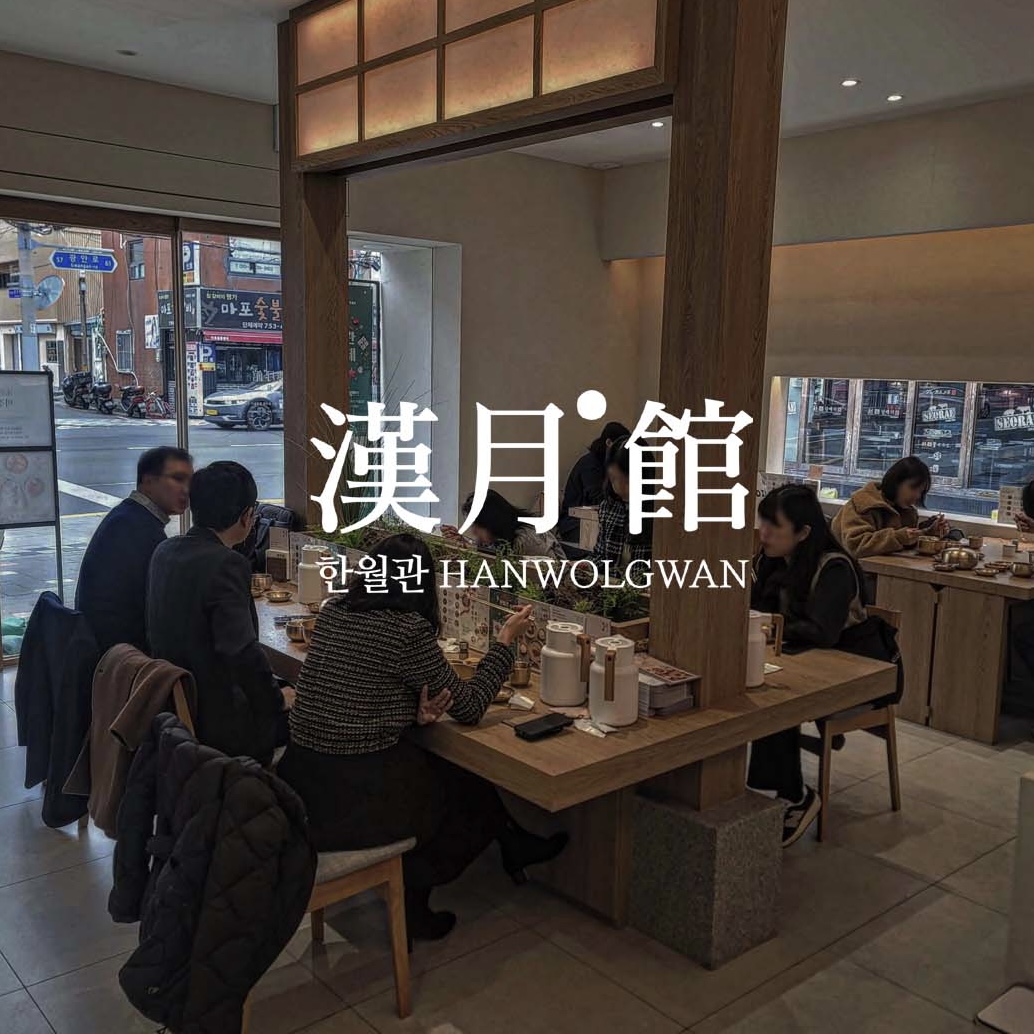
🍲 What the Hanwolgwan Busan restaurant menu is built around
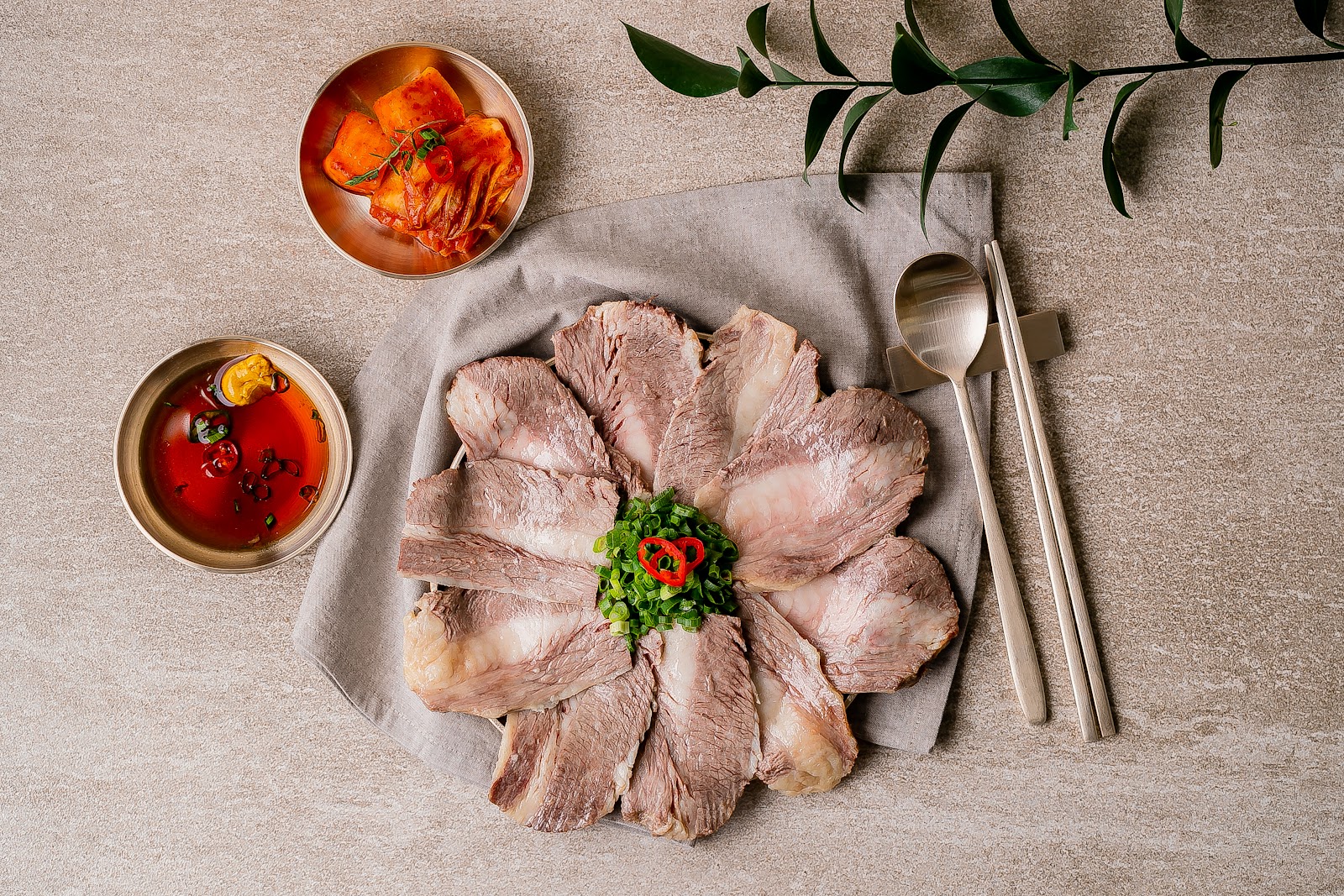
Two soups carry the place: gomtang and seolleongtang. Both are beef, both are hot, both come with rice and kimchi. Reviewers who came for the gomtang describe a broth that tastes distinctly of beef rather than of seasoning, with sliced meat laid in it. The seolleongtang crowd describes something milkier and milder that grows on you spoon by spoon.
The kitchen is not trying to impress you in the first three seconds. Several reviews land on the same shape: underwhelmed at first, quietly satisfied by the end. One person wrote that the bowl “slowly came together” as they ate. That is a fair warning and a fair recommendation at the same time.
Gomtang or seolleongtang?
Rough guide, based on what people who ate both actually said:
- Gomtang — clearer, beefier, the meat is the point. Order this if you want to taste the quality of the beef itself.
- Seolleongtang — cloudier, gentler, more of a comfort bowl. Order this if you are tired, hungover, or feeding someone who does not like strong flavours.
- Either one, mix the rice in partway through. Reviewers who did this found the bowl far more filling than it looked when it arrived.
🧂 Your first spoonful will taste like nothing
This is the thing that trips up most first-timers, and it shows up in the low reviews as well as the high ones. The broth arrives unseasoned. Salt, pepper and the kimchi on the table are yours to use, and you are expected to use them. Korean beef-broth houses have worked this way for a century.
Add salt in two stages. A pinch, stir, taste. Another pinch. People who dump it all in at once end up with a salty bowl and blame the kitchen.
The kimchi does half the work. Take a piece with every second or third spoonful and the broth stops reading as flat almost immediately. The dipping sauce for the meat gets praised even by reviewers who complained about everything else, so use that too.
If you have already eaten a Busan pork soup and wondered why yours tasted like warm water, you have met this problem before. The same logic applies here, and we wrote it out in more detail in Dwaeji Gukbap: Busan’s Pork Soup, and Why Yours Tastes Bland.
🥩 The beef, and the honest disagreement about it
Reviews split here, and it is worth knowing before you sit down. Some diners call the meat tender and good. One five-star review specifically flags it as slightly chewy rather than falling apart, and reads that as intentional. Another reviewer found the slices drier than they wanted and said so.
What that adds up to: this is sliced beef with structure, not long-braised meat that dissolves. If your reference point is a pot roast, adjust. If your reference point is a good Seoul seolleongtang counter, you already know the texture.
Portion size is the other recurring note. A three-star reviewer thought the bowl was small for the price. Others finished full, mostly because they mixed in the rice. Both can be true. If you arrive genuinely starving, plan on rice going in and possibly a second order of something.
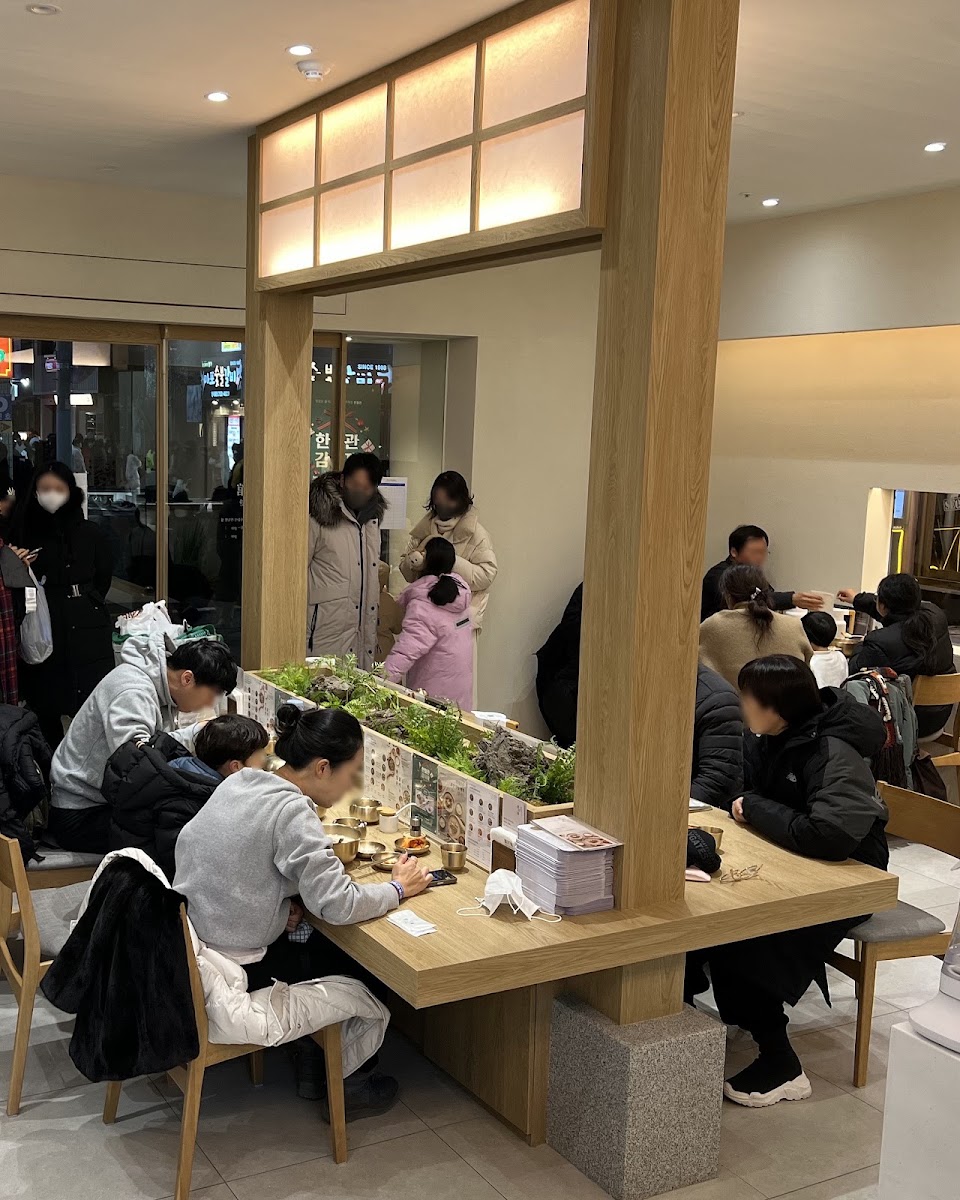
🪑 The room is small, and that decides your timing
Narrow space, a handful of tables, no large ones. A reviewer travelling in a group of five or six found nowhere to sit together. Take that seriously. Four is comfortable. Five or six means splitting across tables, or calling ahead on 051-711-7025 to ask before you walk over with everyone in tow.
The flip side: a small, calm, clean room with attentive service is a good place to eat alone. Solo diners get no side-eye at a soup counter in Korea. One bowl, one table, twenty minutes, done. The interior gets described as minimal and quiet, so nobody will be shouting over you either.
When to go
- 9:00 to 11:00 — the best window. The kitchen is fresh, the room is nearly yours, and you are eating breakfast while Gwangalli is still empty.
- 12:00 to 13:30 — local lunch. In a room this size, a small crowd fills it fast.
- 15:00 to 17:00 — quiet again. Good for a late, unhurried bowl before an evening at the beach.
- Saturday evening — the one night it runs to 22:00, and also the busiest night in the neighbourhood.
🕘 Hours, address, phone
| Day | Hours |
|---|---|
| Monday | 9:00 AM – 9:00 PM |
| Tuesday | 9:00 AM – 9:00 PM |
| Wednesday | 9:00 AM – 9:00 PM |
| Thursday | 9:00 AM – 9:00 PM |
| Friday | 9:00 AM – 9:00 PM |
| Saturday | 9:00 AM – 10:00 PM |
| Sunday | 9:00 AM – 9:00 PM |
Address: Gwangan-ro 62beon-gil 10, 1st floor, Suyeong-gu, Busan. Phone: 051-711-7025. Rated 4.7 from 256 reviews. Price level: moderate.
Seven days a week is rare among Busan’s older soup houses, and it changes how you can use the place. No mid-week closure to dodge, no gamble on a public holiday. Still, a small family-run room can close for a day without telling the internet, so if it is the only thing anchoring your morning, call first.
Finding the door
Gwangan-ro 62beon-gil is a numbered side lane running off Gwangan-ro, the road that parallels the beach. So: get yourself to the Gwangalli beachfront, then step one street back from the water and look for the lane number. The restaurant is on the ground floor.
Search 한월관 in Naver Map or Kakao Map rather than the romanised name. Google Maps walking directions in Korea are unreliable, and the Korean apps will put you on the right lane. If you have not set up transit cards and apps yet, start with Buy the Card First: Getting Around Busan.
💳 Paying, and what “moderate” means
Google lists the price level as moderate. No published menu prices exist that I would trust enough to print here, so treat it as a normal sit-down Korean soup meal rather than a cheap market bowl. One reviewer felt the price ran high against the portion, which is the fairest summary available: you are paying for hours of simmering, not for volume.
Card acceptance at small Korean restaurants is usually fine for foreign Visa and Mastercard, but I have no confirmation for this specific room. Carry some cash. Korean mobile payment apps will not read a Taiwanese or Japanese wallet, and Apple Pay coverage is patchy at older shops.
🌊 Where this fits in a Gwangalli day
The 9:00 opening is the reason to build around it. Eat the soup early, walk out onto sand that has not filled up yet, and you have bought yourself two good hours before Gwangalli turns into a photo queue. Coffee afterwards on the beach road, then Suyeong or Haeundae by metro.
The other version is the evening one. Soup at six, then the beachfront after dark, when the bridge lights come on across the water. On drone show nights the whole seafront fills up early and every restaurant near it gets slow, so eating at a small quiet room a street back is a genuine advantage. Show timings and the best standing spots are in Gwangalli Drone Show, Busan: Free, 12 Minutes, and Worth Planning Around.
If you are staying in the area for a few days and want something at the opposite end of the scale from a soup counter, Ramji, Gwangalli is the fine-dining option in the same neighbourhood, with a booking process worth reading about before you try. For official festival dates and seasonal closures around the beach, the city runs visitbusan.net in English.
A workable half-day
- 09:10 — gomtang at Hanwolgwan. Twenty-five minutes, unhurried.
- 09:45 — Gwangalli sand, walking east toward the bridge view.
- 10:40 — coffee on the beach road while the crowd arrives.
- 11:30 — metro onward to Haeundae or Centum.
🙅 Who should skip it
Groups of five or more, unless you have called. People who need bold, spicy, immediate flavour. Anyone hunting a bargain lunch, because there are cheaper bowls in Busan and this is not trying to be one of them. Vegetarians, obviously, since the entire menu is built on beef bones.
Everyone else, especially anyone arriving in Busan on an early flight with nothing open and a beach to see, should put it on the list.
❓ Short answers
Do I need a reservation?
For one to four people, walk in. The room is small, so at peak lunch you may wait for a table to clear. For five or more, call 051-711-7025 first, because there are no large tables.
What should I order at Hanwolgwan?
Gomtang for the clearer, beefier bowl. Seolleongtang for the gentler, milkier one. Both come with rice and kimchi, and both need salt from you.
Is it open on Sundays?
Yes. 9:00 AM to 9:00 PM, same as weekdays. Saturday is the only day it stays open until 10:00 PM.
How far is it from Gwangalli Beach?
One street back from the beachfront road, on a numbered side lane off Gwangan-ro. Walking distance from the sand, easily.
Can I eat here alone?
Yes, and it is one of the better solo meals in the area. Korean soup houses are built for single diners, and this one is quiet and clean.
Is the food spicy?
No. The broth is mild by design. The kimchi carries whatever heat there is, and you control how much of it goes into the bowl.
Is there an English menu?
Unconfirmed. The menu is short enough that pointing works, and the two words you need are gomtang and seolleongtang. Say either one and you will get the right bowl.
📌 The short version
- Small beef-soup house one street back from Gwangalli Beach, ground floor, Gwangan-ro 62beon-gil 10, Suyeong-gu.
- Open 9:00 AM to 9:00 PM every day, until 10:00 PM on Saturday. Phone 051-711-7025.
- 4.7 stars from 256 reviews. Moderate prices, small portions by some accounts, so mix the rice in.
- Gomtang for beef flavour, seolleongtang for comfort. Both arrive unseasoned. Salt in two stages and eat kimchi alongside.
- Sliced beef with some chew to it. Do not expect it to fall apart.
- No big tables. Four is fine, five or six needs a phone call.
- Best move: 9:00 breakfast, then an empty Gwangalli beach before the crowds land.