Dioti Art Museum is a small private art museum in Jangjeon-dong, Geumjeong-gu, in the northern half of Busan. The full address is 503-44 Jangjeon-dong, and the phone number is 051-518-8480. It is not on the beach, not on the tourist bus route, and not in any of the top-ten lists you have already read. Four people have rated it on Google. All four gave it five stars.
Before anything else, the one thing that will actually cost you an afternoon if you skip it: on Naver Map, the Korean app that Korean taxi drivers and Korean pedestrians use, this place is listed as DOT Museum. Search “Dioti” in Korean apps and you may come up empty. Search “DOT Museum” and it appears. Write both down.
🎨 What Dioti Art Museum in Busan actually is
Think of the scale first. This is a gallery-sized museum, not a wing of a national collection. The people who have written about it describe a carefully chosen showing of Korean artists, the kind of curation where somebody has clearly decided what belongs on each wall rather than filling space. That is the entire proposition. If contemporary Korean painting and sculpture interest you, an hour here is a good hour.
If you are travelling with three days in Busan and a list that already includes Haeundae, Gamcheon and Jagalchi, be honest with yourself. This is a fourth-day place, or a place for someone who came to Busan specifically because they like looking at art. It rewards the visitor who is genuinely curious and punishes the one who came because a blog said to.
The rating deserves a plain reading. A 5.0 built on four reviews is not the same evidence as a 4.6 built on four thousand. Four people is a small sample. What it does tell you is that nobody has walked out annoyed, and that the people who found it were happy they did. For a small private museum in a residential district, that is roughly what you should expect and roughly all you can know.
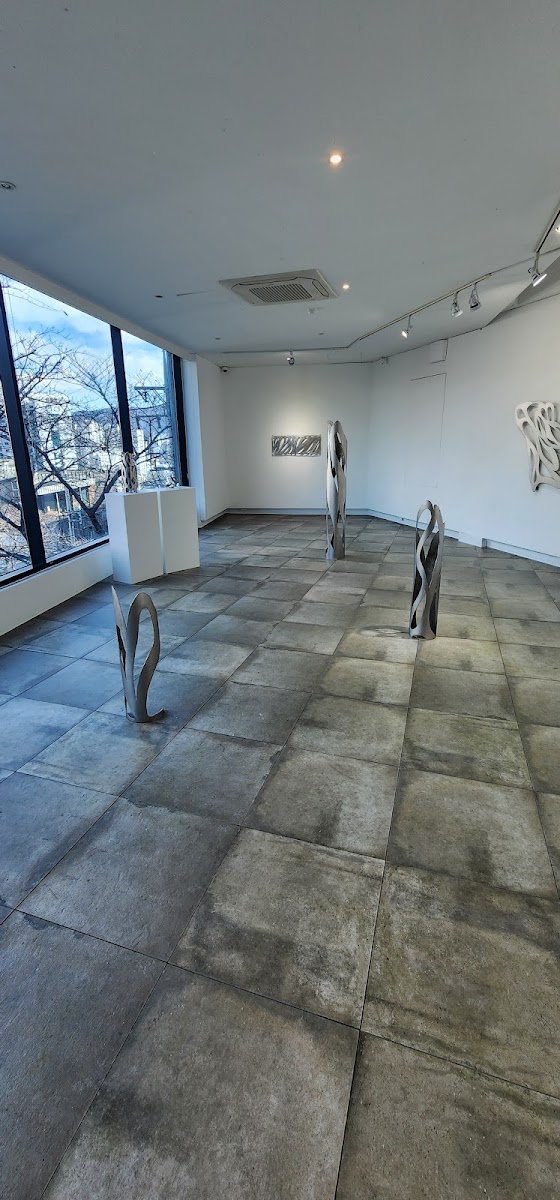
🗺️ The name problem, and how to solve it in thirty seconds
Korean place names travel badly. This one has at least three surfaces: Dioti on Google, DOT Museum on Naver, and a Hangul spelling on the actual signage. Foreign visitors regularly stand two hundred metres from a place while their phone insists it does not exist.
- Google Maps: search Dioti, Busan. It resolves.
- Naver Map: search DOT Museum. Reviewers confirm this is how it is listed.
- Kakao T (taxi): the safest input is the address, 장전동 503-44, or the phone number 051-518-8480. Addresses never get mistranslated.
- Asking a person: show the address on your screen. Do not try to pronounce it.
The general rule is worth carrying for the rest of your trip. Google Maps in Korea gives you decent search and poor walking directions. Naver Map and Kakao Map give you excellent walking directions and search results you sometimes have to guess at. Most people end up running both, which is fine and only costs battery.
🚇 Getting to Jangjeon-dong
Jangjeon-dong sits in Geumjeong-gu, up the northern spine of the city, in the neighbourhood built around Pusan National University. The relevant subway line is Line 1, the orange one, and the nearest station is Pusan National University. From Haeundae or Gwangalli you are crossing the city, so budget accordingly and do not treat this as a quick detour between two beach stops.
I am not going to give you an exit number and a walking time I cannot verify, because that is exactly the kind of confident-sounding detail that leaves you standing on a hill at the wrong end of a block. Do this instead: get yourself to Pusan National University Station, then open Naver Map, search DOT Museum, and walk the blue line. Fares and the current Line 1 timetable are on the Busan Metro site.
Pay with a transit card rather than buying single tickets, especially if you are hopping stations. If you have not sorted that yet, buy the card first and stop thinking about it for the rest of the week.
Taxi is a reasonable call here. Northern Busan is hilly, the residential grid is not intuitive, and a short ride from the station beats twelve minutes of squinting at a phone.
⏰ Hours, tickets, and the phone call I would make
Here is where I will not pretend to know things. Opening hours and admission price are not published in any source I would stand behind, and small private museums in Korea change both more often than large ones. Guessing them for you would be worse than useless.
So: call 051-518-8480 before you go. Yes, in Korea, yes, probably in Korean. This is less painful than it sounds. Two workable approaches:
- Ask your hotel front desk to call. Thirty seconds of their day, and they will do it happily. This is the single most underused resource foreign visitors have in Korea.
- Check the Naver Map listing under DOT Museum, where Korean businesses usually keep hours current. A screenshot of what you find is enough to plan around.
- If you are going on a Monday, treat that as a red flag until confirmed. Korean museums and galleries close Mondays with real consistency, including Johyeon Gallery up on Dalmaji-gil.
One more practical note about small museums anywhere in Korea. Exhibitions rotate. What is hanging in March is not what is hanging in October. Nobody can tell you in advance what you will see, and that is part of the deal when you visit a place this size.
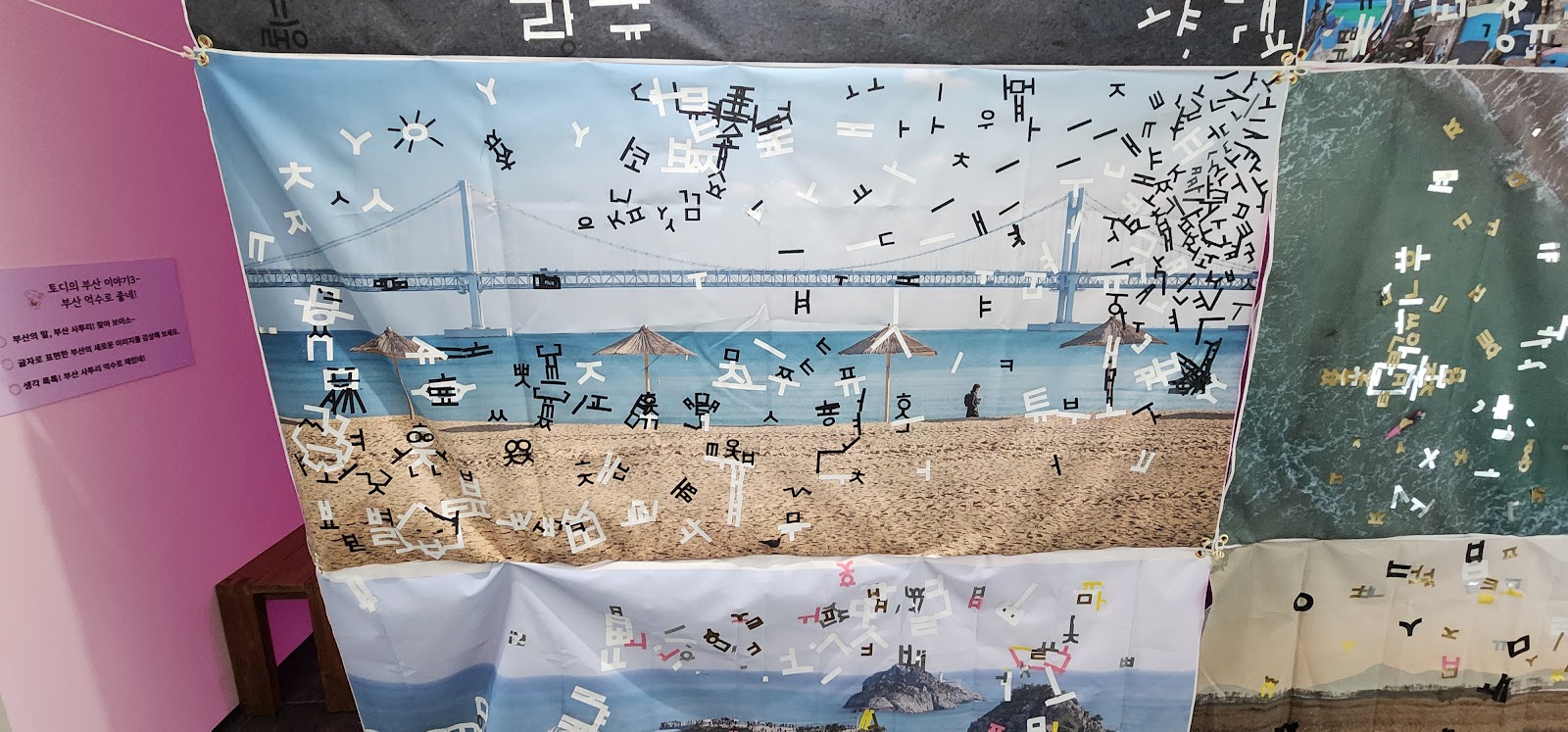
🖼️ What an hour inside looks like
Plan on sixty to ninety minutes. That is the honest range for a building of this footprint if you actually look at things rather than photographing them. People who move quickly will be out in forty.
Expect Korean artists, expect the selection to feel deliberate, and expect the rooms to be quiet. Small Korean museums are often nearly empty on a weekday, which is either the best thing about them or slightly unnerving, depending on your temperament. There is usually one staff member. They will notice you came in. A short nod on the way past is the whole social contract.
Museum manners worth knowing
- Ask before photographing. Point at your phone, tilt your head. Universally understood. Some rooms allow it, some do not, and the answer can differ by exhibition.
- No flash, ever, and no tripods in a room this size.
- English labelling in small Korean museums is inconsistent. Have Papago or Google Lens ready to photograph a wall text and read it back translated. It works well on printed Korean.
- Backpacks come off your shoulders in tight rooms. Canvases live closer to your elbows here than in a national museum.
👶 The children’s classes, and whether that matters to you
One thing visitors consistently mention is that Dioti runs a variety of hands-on classes for children. That is a genuine part of what the place does, not a side room nobody uses.
For a family travelling with kids, this is the most interesting sentence in this article. An art activity in a real museum, in a residential Korean neighbourhood, is a different memory from another aquarium. Two caveats, though. The classes are built for local children and will run in Korean. And there is no published schedule I can point you to, which puts us back on the phone: call 051-518-8480, or have your accommodation ask what is running that week and whether a visiting child can join.
If your children are young enough that language does not matter much for a drawing or clay session, this can work beautifully. If they are eleven and self-conscious, it will not. You know which one you have.
☕ The coffee shop across the street
Visitors also flag a good coffee shop directly opposite the museum. Small detail, disproportionate value. It means the trip up here does not hinge entirely on the exhibition being to your taste, and it gives you somewhere to sit for twenty minutes and decide what to do next.
You are also in the Pusan National University district, which is student territory: cheap food, late hours, and a density of cafes that has nothing to do with tourism. Prices here are noticeably kinder than Haeundae. If you would rather build your coffee stop around a specific place instead of whatever is nearest, Cafe Layered is a different sort of errand entirely.
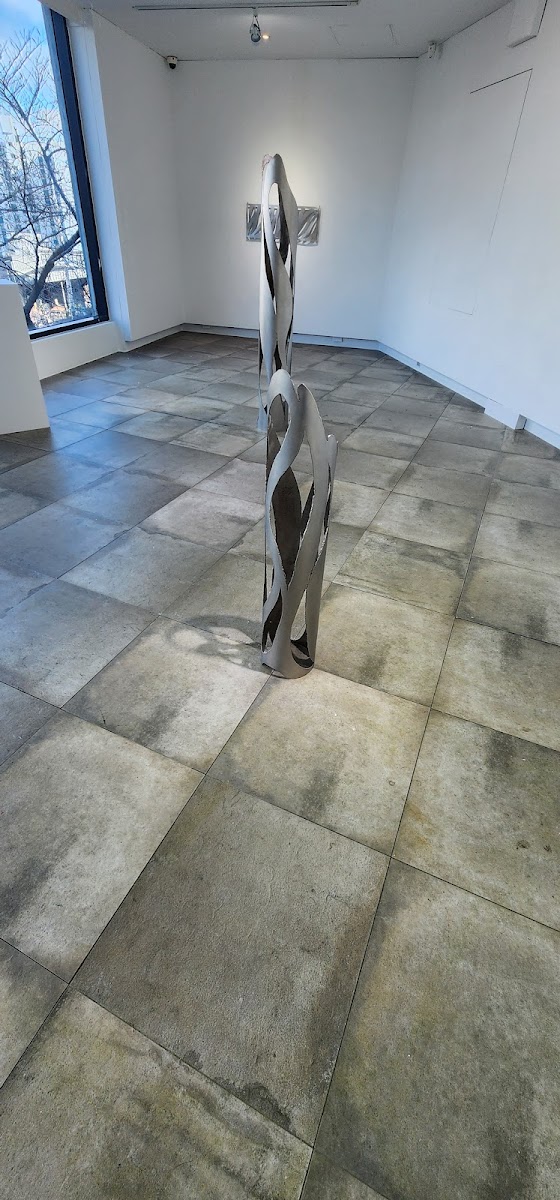
🧭 Building half a day around it
One museum this size is not a day. Here is the sane version, all of it on Line 1, no transfers, no taxis between stops.
| Roughly | What | Note |
|---|---|---|
| Late morning | Line 1 north to Pusan National University Station | Confirm the museum is open before you board |
| Midday | Dioti Art Museum, then the cafe opposite | 60 to 90 minutes inside |
| Early afternoon | Lunch in the university district | Student prices, no reservations needed anywhere |
| Mid afternoon | Back down Line 1 to Oncheonjang | Dongnae hot spring area |
| Evening | Back to your base | Line 1 runs the length of the city |
The Dongnae add-on is the one I would actually do. It is a few stops back south on the same line and there is a free public foot bath that shuts at five, which is a genuinely good end to an afternoon of standing on hard museum floors. Get the timing right or you arrive to a locked gate.
If your whole trip is still unplanned and you are wondering where this fits, it does not fit into two days. See Busan in 3 days for the version that wastes the least time, and slot northern Busan in only if you have a fourth.
✅ Who this is for, plainly
Go if: you like art enough to cross a city for a small room of it, you have already covered Busan’s obvious sights, you are travelling with a curious child, or you are staying somewhere in the north of the city anyway and want a reason to walk around Jangjeon-dong.
Skip it if: you have three days, you have not seen the coast yet, or you need certainty about hours and prices before you commit to a forty-minute subway ride. There is no shame in that last one. This is a place that asks for a phone call, and some trips do not have room for phone calls.
💬 Short answers
Where is Dioti Art Museum in Busan?
503-44 Jangjeon-dong, Geumjeong-gu, in northern Busan, near Pusan National University. Nearest subway is Pusan National University Station on Line 1.
Why can’t I find it on Naver Map?
Because it is listed there as DOT Museum. Search that name, or search the address 장전동 503-44.
What are the opening hours?
Not reliably published anywhere I would trust. Call 051-518-8480, or check the Naver listing under DOT Museum, before travelling. Assume Monday is risky until confirmed.
How much is admission?
No published price is available. Ask on the same phone call. Bring some cash regardless; small venues in Korea occasionally prefer it.
Do I need to book?
For a normal visit, no. For a children’s class, yes, ask first. That is a scheduled activity with limited places.
Is English spoken?
Assume limited English and limited English labelling. A translation app pointed at wall text handles most of it.
How long does a visit take?
Sixty to ninety minutes inside. Add the cafe opposite and you have a two-hour block.
Can I take photos?
Ask at the desk. Policy can vary by exhibition. No flash in any case.
📌 The short version
- Dioti Art Museum, 503-44 Jangjeon-dong, Geumjeong-gu, Busan. Phone 051-518-8480.
- Listed as DOT Museum on Naver Map. This is the detail that saves your afternoon.
- Rated 5.0 from 4 Google reviews. Small sample, uniformly positive.
- A curated showing of Korean artists in a small building. Sixty to ninety minutes.
- Runs hands-on classes for children. Call ahead; they run in Korean.
- Good coffee shop directly opposite, in a student district with fair prices.
- Line 1 to Pusan National University Station. Pair it with Dongnae hot spring on the way back.
- Hours and admission are not published. Confirm by phone before you go.